Wallet Warriors: How Payment Choices Trigger Layered Bonuses Across State-Regulated Apps
Freya Schwarz · Jun 26, 2026
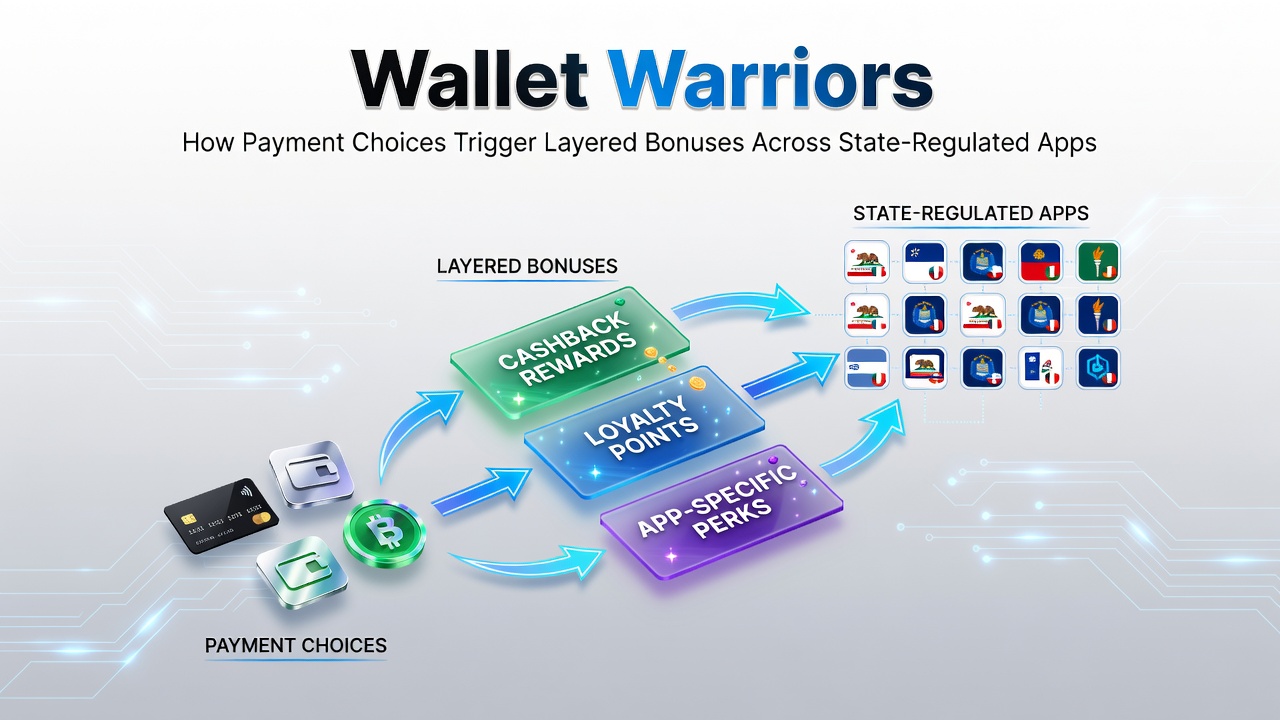
Wallet Warriors: How Payment Choices Trigger Layered Bonuses Across State-Regulated Apps
Payment selections in state-regulated betting apps have become central to how users access and stack promotional rewards throughout 2026, with operators structuring offers around deposit types, transaction speeds, and verification processes. Observers note that these systems create multiple layers where one choice unlocks initial matches while another adds free bets or loyalty multipliers, and data from regulatory filings shows consistent patterns across jurisdictions that permit online wagering.
Apps in states such as New Jersey, Pennsylvania, and Michigan tie bonus structures directly to funding methods, and researchers have documented how credit card deposits often activate standard percentage matches whereas e-wallet transfers frequently add instant-play credits or reduced wagering requirements. Bank transfers, by contrast, tend to trigger higher-tier rewards in certain platforms because they signal longer-term user commitment, which operators reward through progressive point systems that accumulate across multiple deposits.
Payment Categories and Their Bonus Mechanics
State-regulated platforms categorize payments into several groups, each carrying distinct triggers for layered incentives, and industry reports indicate that debit cards usually start with base deposit bonuses while digital wallets like PayPal or Venmo layer additional cashback percentages on top. Cryptocurrency options, now available in a growing number of states, activate separate bonus pools that include accelerated loyalty points because blockchain transactions reduce processing fees for operators, allowing them to redirect those savings into user rewards. Those who've examined transaction logs across multiple apps find that combining an initial credit card deposit with a follow-up e-wallet transfer often produces compounded offers unavailable through single-method funding.
Verification steps attached to each payment type further influence bonus eligibility, with some apps requiring full identity confirmation before releasing layered rewards on bank wires but granting immediate access on mobile wallet deposits. This distinction creates timing advantages for users who select faster methods, and figures from app analytics reveal that such choices increase the frequency of bonus claims within the same session.
Regional Variations in Bonus Layering
Differences emerge when comparing how states implement these payment-linked systems, and records from the New Jersey Division of Gaming Enforcement show that platforms there emphasize deposit-method multipliers more heavily than those in Michigan, where loyalty tier progression receives greater focus regardless of funding source. Pennsylvania operators have introduced hybrid models that grant extra free spins or bet credits when users alternate between payment categories over a calendar month, and similar experiments appear in newer markets entering regulation during 2026. Data indicates these regional approaches reflect local licensing conditions while still producing overlapping patterns in how bonuses accumulate across deposits, wagers, and redemptions.
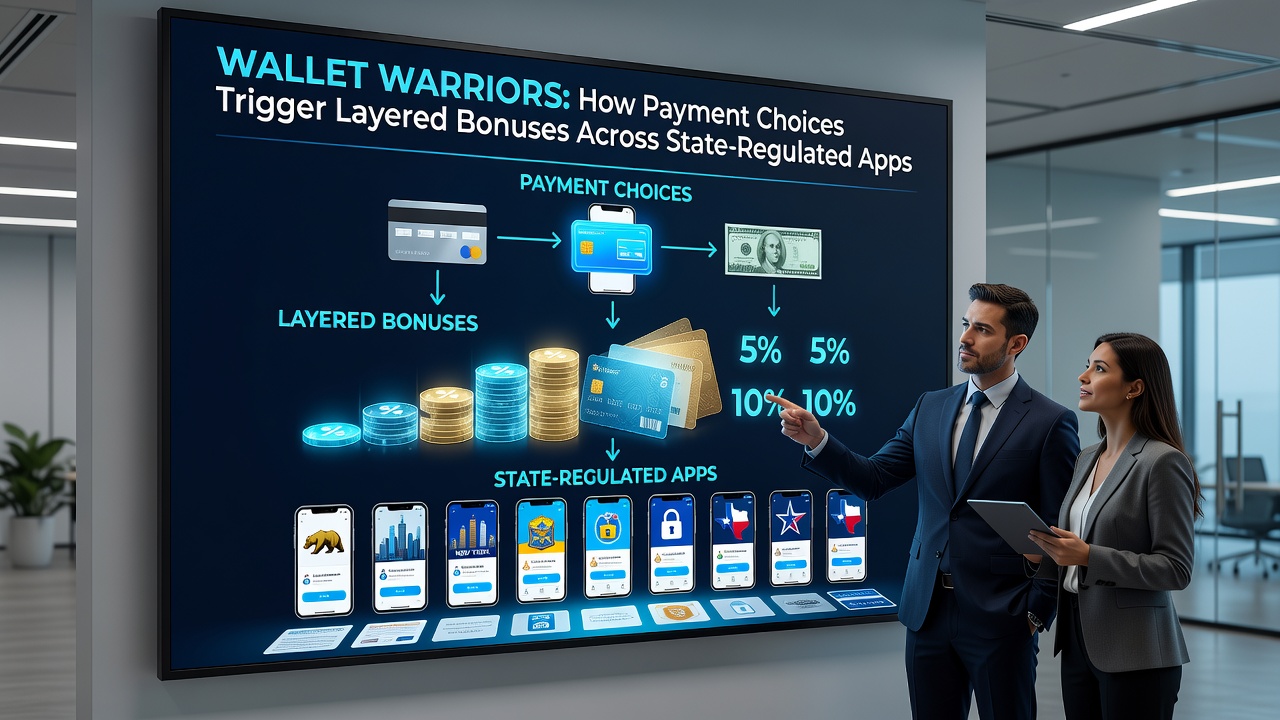
One study revealed that users who strategically sequence payments across two or three methods within a single week accessed an average of 1.8 additional bonus layers compared with those relying on a single option. Observers tracking these behaviors note that the effect compounds when loyalty programs recognize payment diversity as a separate achievement metric, granting tier jumps that would otherwise require higher total deposit volumes.
Practical Examples from Active Platforms
Take one platform operating in multiple states where a $50 credit card deposit activates a 100% match plus 20 bonus spins, after which an immediate e-wallet top-up of $25 adds a separate 50% match and reduced playthrough requirements on winnings. Another case involves cryptocurrency funding that bypasses standard verification delays and unlocks an instant loyalty point surge, enabling quicker access to cashback tiers that standard methods reach only after several weeks of activity. Researchers discovered that these layered outcomes appear consistently in user transaction histories, and the structure encourages diversified payment use without violating any single state's responsible gaming guidelines.
Apps have also begun testing conditional offers that activate only when payments cross state lines through approved processors, and evidence suggests these rules maintain compliance while still delivering measurable increases in average session length for participants who explore multiple funding routes. What's significant is how these mechanics remain transparent in app terms, allowing users to map out sequences that maximize available layers before committing funds.
Tracking and Compliance Considerations
Regulatory bodies in several states require clear disclosure of how payment choices affect bonus availability, and industry associations have published guidelines that operators follow when designing these layered systems. Academic analyses of transaction data confirm that transparent communication reduces disputes while maintaining the incentive structures that drive engagement across platforms. Those monitoring developments in 2026 report that newer entrants to the regulated market often adopt proven layering models from established jurisdictions, adapting them to local tax and fee frameworks without altering core payment triggers.
Conclusion
Payment choices continue to serve as primary drivers for unlocking successive bonus layers in state-regulated apps, and the mechanics documented across multiple jurisdictions demonstrate consistent relationships between funding method, transaction timing, and reward accumulation. Observers tracking these patterns note that users who understand category differences and regional rules position themselves to access compounded offers more efficiently than those relying on default selections. As markets expand through 2026, the interplay between payments and bonuses remains a defining feature of how regulated platforms structure user incentives while adhering to oversight requirements.