UK High Street Betting Shops See Hundreds of Closures as Tax Costs Mount
Sofia Lang · Aug 19, 2026

UK High Street Betting Shops See Hundreds of Closures as Tax Costs Mount
Data from the Betting and Gaming Council shows that more than 540 high-street betting shops have closed across the UK since the previous year’s Budget while around 4,500 jobs disappeared in the regulated sector amid higher taxes and rising operating costs. These figures add to an established pattern of contraction that stretches back several years and affects both urban and regional locations where physical retail outlets once formed a steady presence in local economies.
Scale of Recent Shop Losses
Since the Budget changes took effect the sector recorded 540 shop closures together with the loss of approximately 4,500 positions and the pattern continues a longer decline that began well before the most recent tax adjustments. Observers note that around 3,000 shops and more than 15,000 jobs have disappeared since 2019 as operators adjusted to shifting market conditions and integrated their retail and online platforms. The same data set indicates that these losses occurred steadily rather than in sudden spikes yet the pace has accelerated following the latest fiscal measures.
Industry analysts track the numbers through regular submissions from member companies and the resulting statistics reveal a clear concentration of closures in certain regions where footfall had already softened. While some sites closed entirely others reduced opening hours or merged operations with neighbouring branches and the cumulative effect shows up in official employment records for the leisure and retail categories.
Role of Integrated Operations
The Betting and Gaming Council attributes a large share of the closures to the move toward integrated retail-online operations that allow customers to place bets through apps and websites even when physical locations remain open. This shift reduces the need for multiple staffed premises in the same area and companies have consolidated resources accordingly. Data indicates that operators who maintained both channels found online platforms handling a growing share of activity and therefore fewer resources went toward sustaining every high-street site.
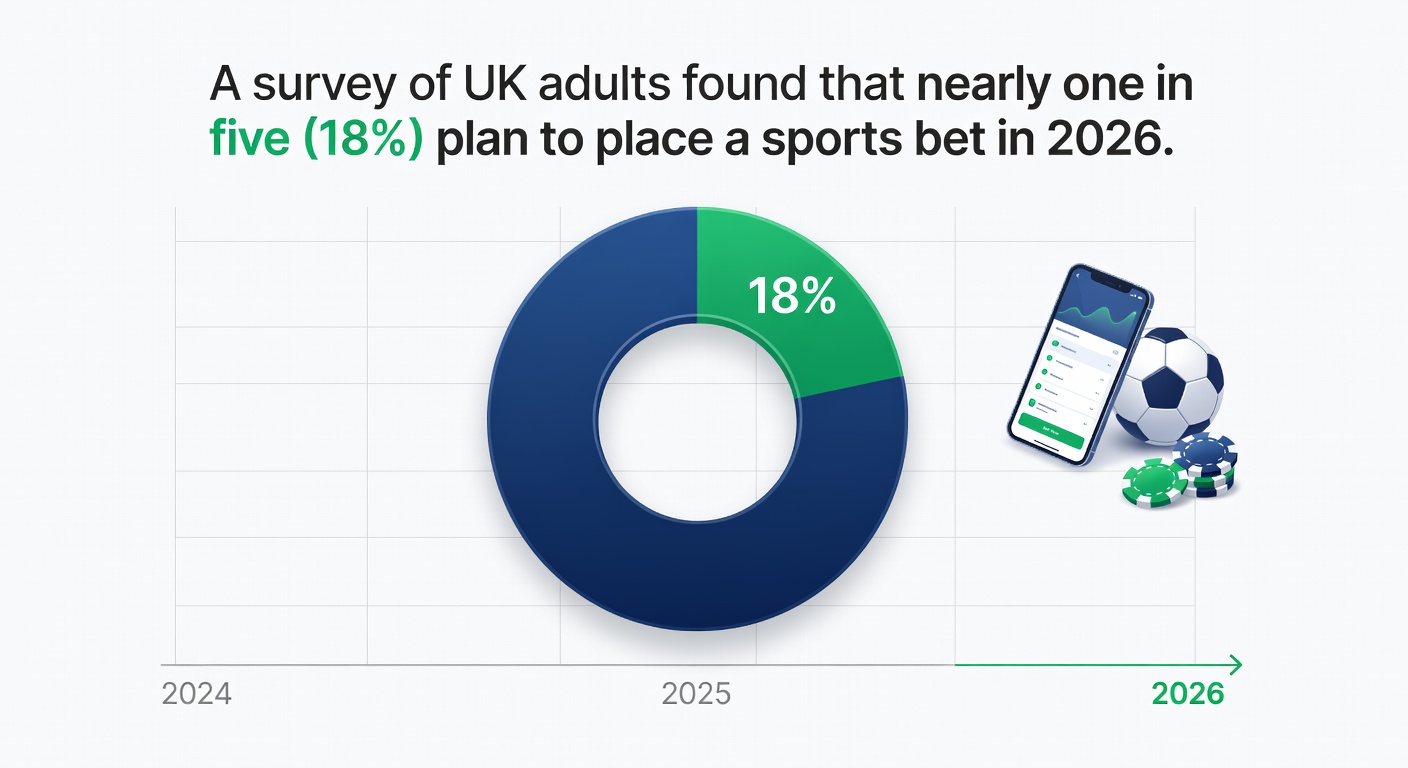
Those who studied the transition point out that the change began before the latest Budget yet the added tax burden intensified the pressure on remaining outlets. Figures released by the council link the two trends directly and show that shops operating in lower-traffic locations faced the steepest challenges when costs rose without corresponding revenue growth. The council further warns that additional tax increases planned for the coming period could accelerate the same process and produce further job reductions across the regulated market.
Economic Footprint of the Sector
Alongside the reported closures the Betting and Gaming Council highlights the sector’s wider economic contributions through employment in remaining outlets, supply chain spending, and tax payments that continue to flow into public finances. The same report notes that regulated betting businesses support thousands of direct roles in retail and thousands more in related services even after the recent reductions. Figures reveal that the industry still generates measurable value in local economies where surviving shops draw customers who also spend in nearby businesses.
Researchers tracking employment data observe that the job losses since 2019 occurred alongside broader changes in consumer behaviour and regulatory requirements yet the council emphasises that the sector maintains a substantial footprint. The organisation points to ongoing tax contributions and community-level activity as evidence that the remaining operations continue to play a measurable role in the national economy.
Looking Ahead
The council’s statement includes a forward-looking assessment that upcoming tax adjustments may compound the existing trend and lead to additional shop reductions unless cost pressures ease. Data compiled since the Budget already shows the combined impact of higher duties and day-to-day operating expenses on shop viability. Observers note that companies have responded by streamlining portfolios and reallocating staff where possible while maintaining compliance with licensing standards.
Those who follow the sector record that the pattern of consolidation appears consistent across multiple operators and that the integrated model has become the dominant approach. The figures released by the Betting and Gaming Council therefore serve as a benchmark for understanding how fiscal policy interacts with structural changes already under way in the retail betting market.
Conclusion
The reported closure of more than 540 shops and the associated loss of 4,500 jobs since the previous Budget form part of a longer contraction that began in 2019 and has now removed around 3,000 outlets and more than 15,000 positions from the high-street betting sector. The Betting and Gaming Council links these outcomes to integrated retail-online strategies and rising costs while also documenting the sector’s continuing economic contributions. The same data set signals that further tax increases could extend the pattern of closures in the period ahead.