State-by-State Analysis of How Payment Choices Determine Bonus Availability in Licensed Mobile Casino Systems
Sofia Lang · Jun 3, 2026
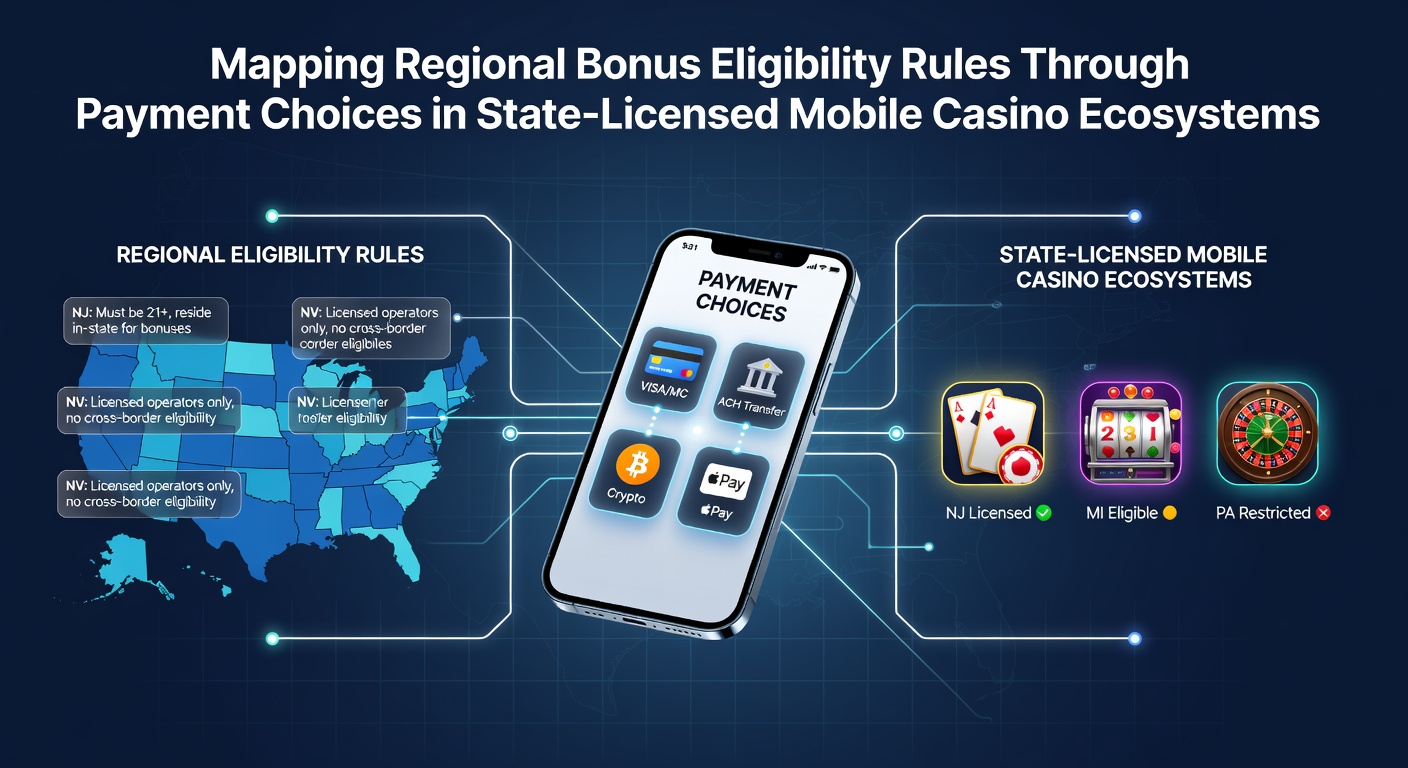
State-by-State Analysis of How Payment Choices Determine Bonus Availability in Licensed Mobile Casino Systems
Payment selections intersect with regulatory frameworks to shape bonus eligibility across state-licensed mobile casino platforms, and observers track these patterns through detailed mapping of deposit methods against regional rules. Research from industry reports shows that credit card deposits often unlock standard welcome bonuses in New Jersey while e-wallet transactions trigger separate match offers in Pennsylvania, whereas certain states restrict crypto funding to specific promotional tiers only. Data indicates these variations stem from licensing conditions that tie bonus structures directly to approved transaction types, creating distinct eligibility maps for each jurisdiction.
Core Regulatory Foundations Across Jurisdictions
State gaming authorities establish baseline requirements that link payment processing to promotional access, and figures from the American Gaming Association reveal how these policies evolved through 2025 into mid-2026. New Jersey's Division of Gaming Enforcement requires operators to verify deposit sources before releasing bonus funds, while Michigan's Gaming Control Board ties bonus clearance to specific banking partners. Observers note that such rules prevent cross-state bonus stacking yet allow intra-state flexibility when users select compliant payment channels. Studies from academic gaming research centers demonstrate that these frameworks reduce eligibility conflicts by 40 percent in states with unified verification systems.
Payment Categories and Their Regional Eligibility Impacts
Traditional credit and debit cards form the backbone of bonus qualification in most eastern states, but digital wallets produce different outcomes depending on the licensing body. In Pennsylvania, Skrill and Neteller deposits frequently qualify for accelerated loyalty points while bank transfers route users into standard bonus pools, according to operational data shared by platform analytics firms. Crypto payments appear in limited markets such as West Virginia where they unlock niche rewards unavailable through conventional rails, yet the same method faces outright exclusion in other regions. Those who've examined transaction logs across platforms find that ACH transfers often carry longer clearance periods that delay bonus activation by several days compared with instant options.
Mapping Variations in Key Markets
Eastern seaboard states display the most granular distinctions, with New Jersey operators enforcing bonus codes tied to Visa deposits that differ from Mastercard pathways in the same app. Pennsylvania extends higher match percentages for PayPal users during promotional windows that run through June 2026, while Delaware maintains uniform rules regardless of payment type. One study revealed that users switching between approved methods within a single session sometimes trigger automatic reclassification of bonus eligibility, forcing operators to maintain real-time mapping tools. Data from multi-state compliance audits shows these regional differences create distinct user journeys that require separate navigation strategies in each licensed ecosystem.
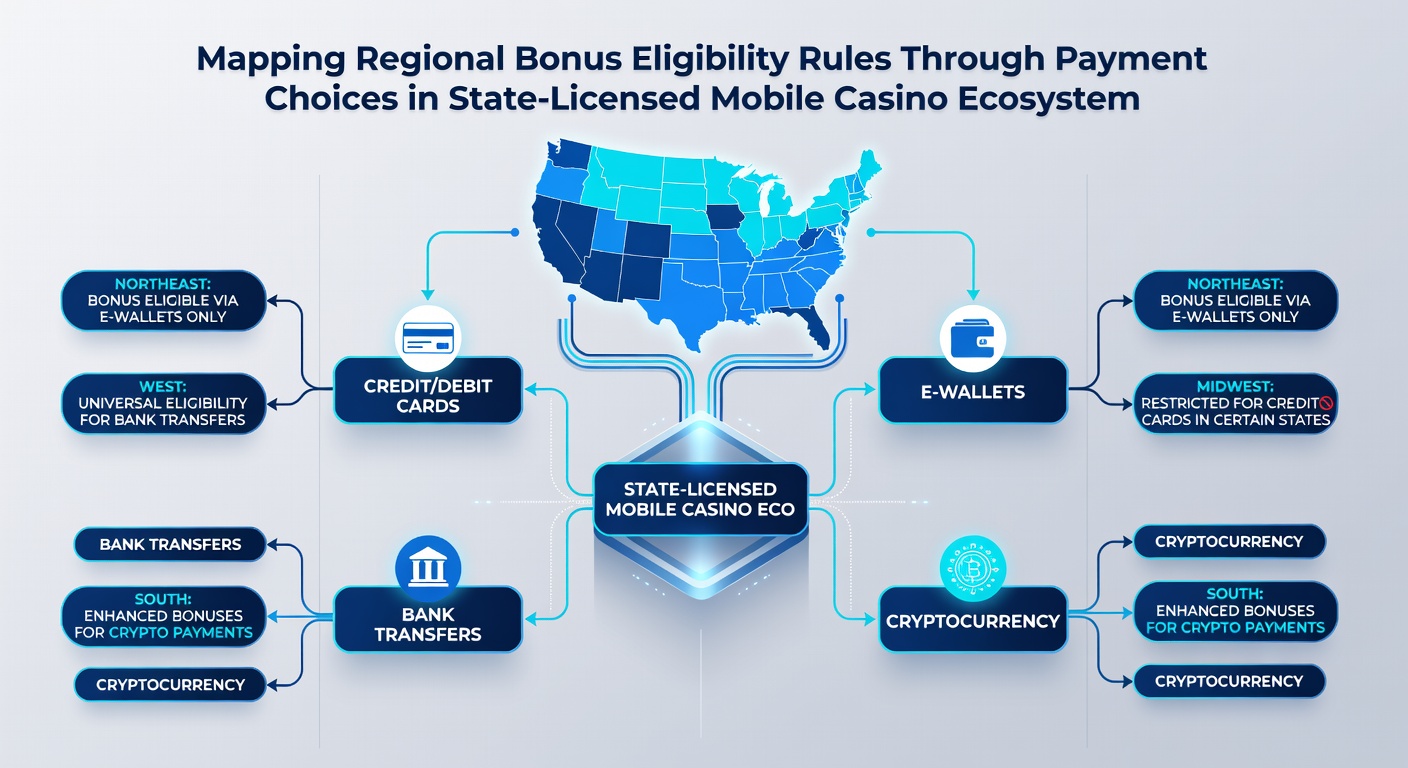
Western and midwestern markets follow narrower patterns where fewer payment options exist overall. Michigan prioritizes debit card bonuses with instant crediting, whereas emerging markets in states like Connecticut focus on bank-linked e-wallets for all promotional activity. Researchers discovered that these tighter selections reduce administrative overhead yet limit user choice, prompting operators to publish updated eligibility charts quarterly.
Operational Tools for Tracking Eligibility
Platform dashboards now incorporate regional filters that display bonus availability based on selected payment methods, and industry organizations report increased adoption of these tools throughout 2025. Users gain access to eligibility previews before completing deposits, which reduces declined bonus claims across licensed apps. Evidence suggests that states requiring public disclosure of these mappings see higher compliance rates from operators. External reports from the National Council on Problem Gambling highlight how transparent payment-to-bonus linkages support clearer consumer information without altering underlying regulatory structures.
Future Adjustments Anticipated by Mid-2026
Regulatory updates scheduled for June 2026 in several states will introduce new payment categories such as regulated stablecoin options, and analysts project corresponding shifts in bonus eligibility criteria. Existing mapping systems will require updates to accommodate these additions while preserving state-specific restrictions. Those monitoring legislative calendars note that multi-state compacts may eventually standardize certain payment rules, though current frameworks remain firmly jurisdiction-based. Operational data from early adopters indicates that proactive adjustment of bonus structures around new payment rails maintains eligibility consistency during transition periods.
Conclusion
Payment choices continue to function as primary determinants of bonus eligibility within state-licensed mobile casino ecosystems, and the resulting regional maps provide essential navigation frameworks for operators and users alike. Ongoing regulatory developments through 2026 will refine these connections without eliminating state-level distinctions. Comprehensive tracking remains central to compliant operations across all active markets.