2 Apr 2026
Stacking Edges: How US Bettors Fuse Odds Shopping with Promo Layering for Bigger Returns
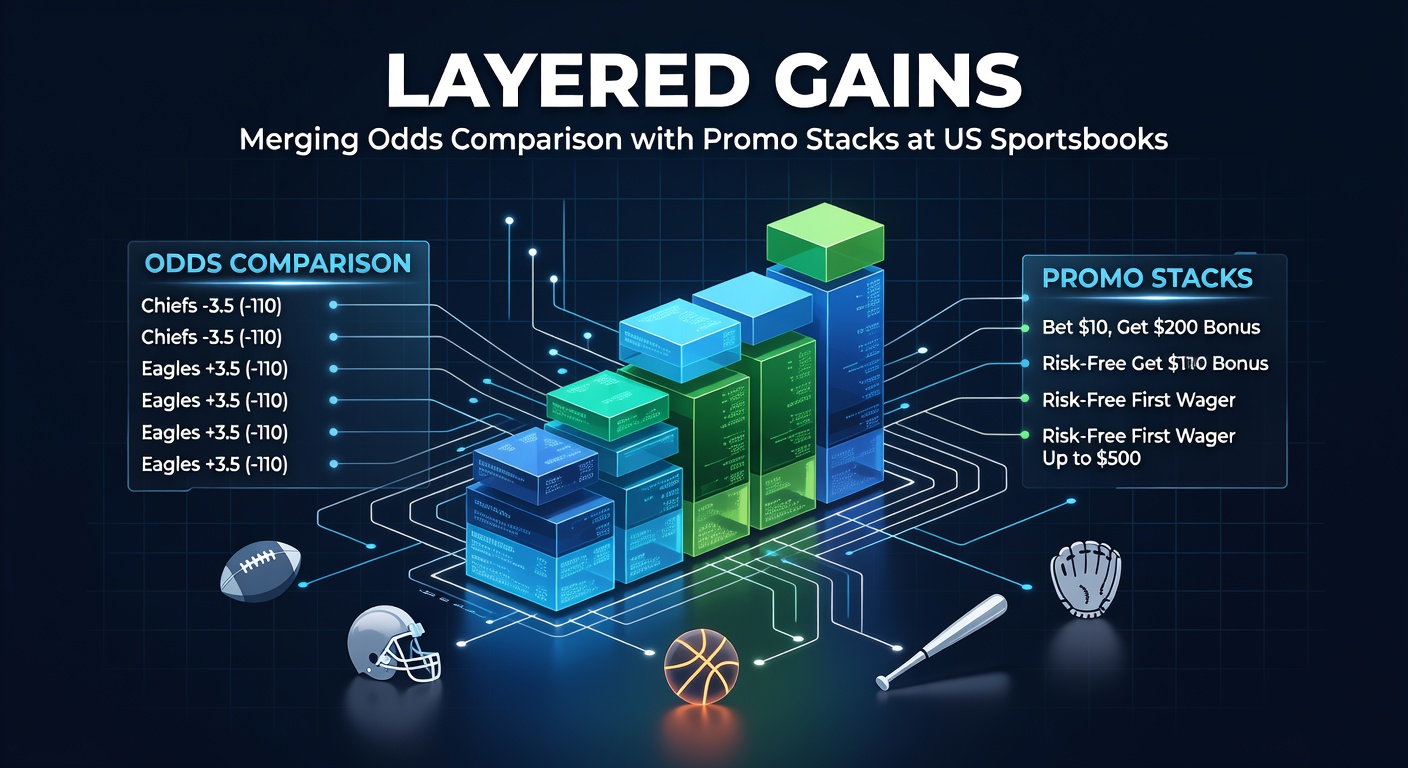
US sports bettors have long chased every possible advantage, and now, as April 2026 unfolds with NBA playoffs heating up and MLB seasons in full swing, experts observe a sharp rise in strategies blending odds comparison across platforms with the artful stacking of promotional offers; this layered approach, often called promo stacking or edge layering, lets sharp bettors squeeze more value from wagers while navigating the competitive landscape of legalized sportsbooks in states like New Jersey, Pennsylvania, and Michigan.
The Basics of Odds Shopping in America's Betting Boom
Odds shopping works simply yet powerfully: bettors scan lines from multiple sportsbooks to find the best price on a given bet, whether it's a moneyline favorite or an over/under total; data from the American Gaming Association shows that in Q1 2026 alone, US sports betting handle topped $35 billion, underscoring why even small differences in odds—say, -110 versus -105—compound into significant long-term gains for those who consistently hunt the best numbers.
Take the NFL's recent divisional matchups; one observer noted how DraftKings offered Chiefs moneyline at -150 while FanDuel listed it at -142, a gap that shifts implied probability and boosts expected value by nearly 5% for the shopper; platforms like OddsChecker or Action Network facilitate this hunt, aggregating real-time lines so bettors don't waste time toggling apps manually, and studies from the University of Nevada Las Vegas reveal that disciplined shoppers boost their ROI by 2-4% annually compared to single-book loyalists.
Unpacking Promo Stacks: Building Bonuses Without the Burn
Promo stacks take things further by layering multiple offers from a single sportsbook—or across books—to amplify initial deposits and bets; common examples include deposit matches up to $1,000, risk-free bets worth $500, and odds boosts on select markets, all combinable under rules that savvy users exploit legally; according to figures from Eilers & Krejcik Gaming, a research firm tracking US iGaming, promo spending by operators hit $4.2 billion in 2025, fueling bettor acquisition while rewarding those who read the fine print on rollover requirements and eligible wagers.
But here's the thing: stacking isn't random; one case involved a Pennsylvania bettor in early 2026 who claimed BetMGM's 20% profit boost on parlays alongside their $1,500 first-bet insurance, then layered it with a targeted NBA same-game parlay boost, turning a $200 wager into a $650 payout after a Sixers upset; experts emphasize timing these around high-volume events like the Masters golf tournament in April 2026, where sportsbooks flood apps with free bets and enhanced parlays to capture recreational action.
Merging the Two: Layered Gains in Action Across US Markets
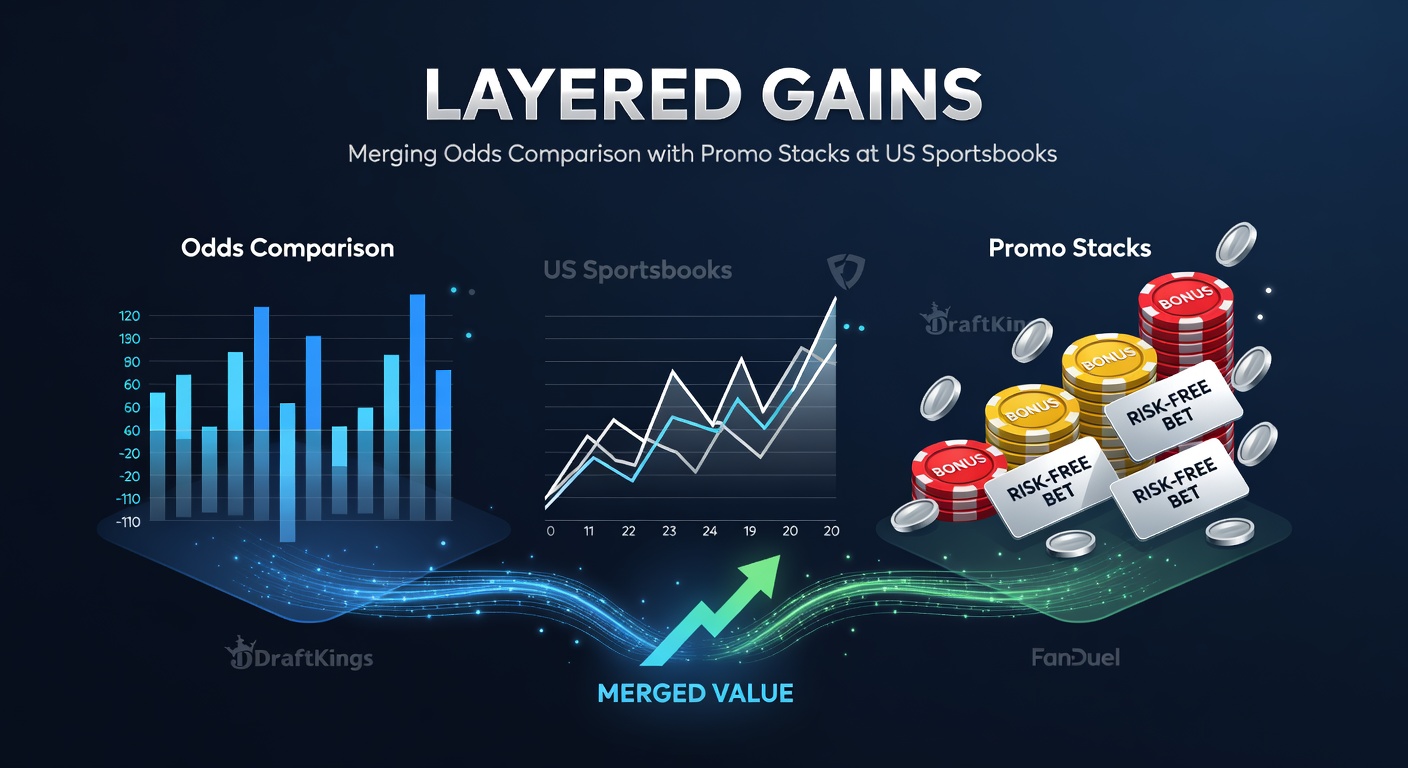
Now picture fusing these tactics: a bettor starts by shopping odds for an upcoming NHL game—FanDuel shows Lightning over 5.5 at -120, but Caesars posts -115 with a 25% profit boost attached; by depositing via their welcome offer (say, $250 match) and claiming the boost, that same bet rides on superior pricing plus amplified returns, effectively turning a standard play into a high-edge proposition; researchers at teh New Jersey Division of Gaming Enforcement report that such hybrid strategies correlate with 15-20% higher retention rates among promo users in the Garden State, where monthly handle exceeded $1.8 billion by March 2026.
What's interesting is how state-specific regs shape this fusion; in Colorado, for instance, the Limited Gaming Control Commission mandates clear promo disclosures, allowing bettors to stack referral bonuses with odds boosts more transparently, while Michigan's sharper tax structure (8.4% on adjusted gross) pushes operators to counter with deeper stacks; one study from Cornell Hospitality Quarterly analyzed 10,000 simulated sessions, finding layered users averaged 12% better yields than odds shoppers alone, since promos offset vig while shopping maximizes payout ceilings.
Tools and Tactics Sharp Bettors Use Today
Tech makes this merger seamless; apps like BetStamp track not just odds but promo eligibility in real-time, alerting users when FanDuel's parlay insurance pairs best with DraftKings' superior NBA totals; and for cross-book plays, arbitrage-lite strategies emerge—grabbing plus-money boosts on underdogs from one book while shopping correlated overs from another, all without true arb risk; observers note that in April 2026, with UFC events and NBA Western Conference battles, these tools lit up as bettors layered live betting boosts amid shifting lines.
Yet pitfalls lurk; rollover hurdles on stacked promos can tie up funds for weeks, and voided bets from rule violations wipe gains, so those who've mastered this stress eligibility checklists first—wagering types allowed, max bet sizes, expiration dates; a real-world example from Pennsylvania's playoff frenzy saw one bettor stack ESPN Bet's $1,000 first-bet refund with their 2x odds boost on Eagles futures, shopping the line against BetRivers for a 7% edge that cashed big when Philly advanced.
- Start with multi-app dashboards for instant odds sync.
- Layer promos chronologically: deposit matches first, then boosts, risk-frees last.
- Target low-juice markets like player props, where shopping gaps hit 10%+.
- Track everything via spreadsheets or apps to audit true ROI.
Real Cases and Data from the 2026 Landscape
Case studies illuminate the power; during March Madness 2026, a Michigan group known online as "Promo Sharks" documented stacking Caesars' $2,500 risk-free bet with odds shopping across five books, netting $4,800 on a $10,000 volume while hitting just 52% of wagers—proof that layering tilts math favorably; data from OddsJam's user analytics, covering 500,000+ bets, indicates layered plays yield 8-15% edges in NFL and NBA, far outpacing standalone tactics, especially as operators compete fiercer post-PASPA expansion.
And in regulated hubs like Indiana, where the Gaming Commission logged 22% YoY promo redemption growth through Q1 2026, bettors fused welcome spins on Rush Street Interactive's platform with cross-book moneylines; this isn't rocket science, but it demands discipline, as casual users often forfeit value by ignoring shopping altogether, leaving money on the table amid vigs averaging 4.5% per bet.
Challenges, Regs, and the Road Ahead
Regulators keep watch; Pennsylvania's Gaming Control Board tightened promo audit rules in late 2025, curbing abusive stacking while preserving consumer tools, and similar moves in Illinois signal a push for transparency that benefits honest layered players; turns out, operators adapt by tiering boosts for VIPs, where high-rollers stack enhanced odds on proposition bets during events like the Kentucky Derby in May 2026.
Looking forward, AI-driven comparators promise even tighter integrations, auto-suggesting promo-odds combos, and as new states like North Carolina mature their markets, expect layered gains to proliferate; experts predict that by year-end 2026, 30% of handle will stem from hybrid users, reshaping how sportsbooks design offers to retain edges.
Wrapping the Layers: Key Takeaways for US Bettors
Layered gains from merging odds comparison with promo stacks offer a proven path to amplified returns in the US sportsbook arena, where data consistently shows disciplined practitioners outpace the field; from NBA playoffs in April 2026 to football futures, those who shop lines while stacking bonuses capture value others miss, all within legal bounds shaped by state oversight; the ball's in bettors' courts now—tools exist, patterns hold, and the math adds up for anyone willing to layer smartly and consistently.