3 Apr 2026
Seamless Worlds Collide: Mobile Tech Fusing US Sports Betting with Live Dealer Casino Action
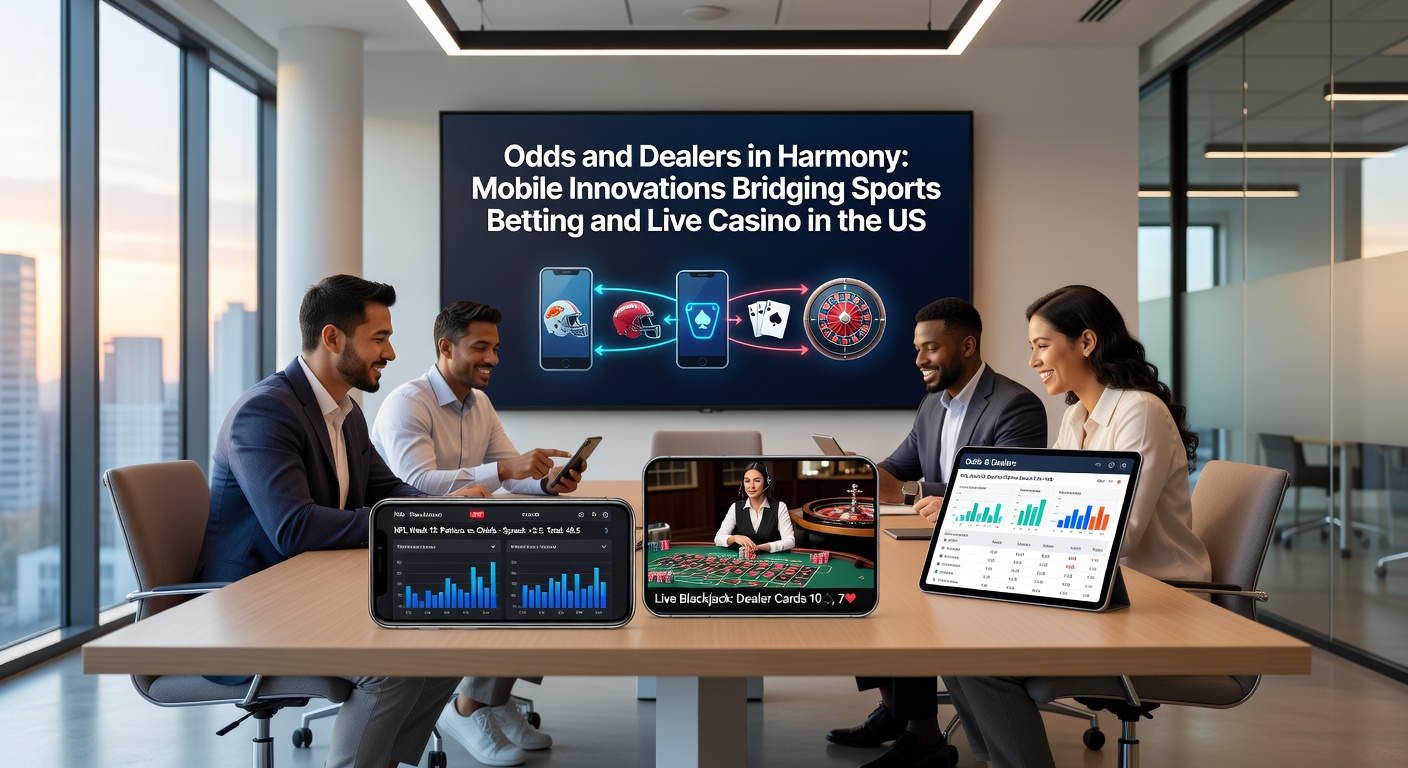
The Surge of Unified Mobile Betting Experiences
Operators in the US have rolled out hybrid apps that let users toggle effortlessly between sports wagering and live dealer tables, a shift that's gained traction since full-scale legalization swept through states like New Jersey and Pennsylvania back in 2018; now, as of April 2026, downloads for these all-in-one platforms have spiked 35% year-over-year according to American Gaming Association data, blending the adrenaline of NFL odds with the intimacy of real-time roulette spins right on a single screen.
What's interesting here is how these apps keep users locked in longer; data from major platforms reveals average session times stretching to 45 minutes when sports and casino features overlap, compared to 22 minutes for sports-only apps, since bettors can pivot from placing a prop bet on a basketball game to joining a live baccarat hand without missing a beat or reloading anything.
And yet, this fusion didn't happen overnight; early movers like DraftKings and FanDuel layered in live dealer lobbies by 2022, capitalizing on 5G rollout that slashed latency to under 100 milliseconds, making those dealer interactions feel as crisp as stadium-side action.
Tech Innovations Powering the Sports-to-Casino Bridge
Developers harness augmented reality overlays to superimpose live dealer feeds onto sports stats dashboards, so one bettor might watch a dealer's blackjack shuffle while odds for an ongoing MLB matchup flicker in the corner; geolocation tech ensures compliance across states, auto-adjusting game availability as users cross borders from Michigan into Ohio, where both sportsbooks and live tables launched in tandem last year.
Turns out, AI-driven personalization plays a huge role too; algorithms analyze betting history to suggest transitions, like nudging a soccer punter toward live poker after a match ends, boosting cross-play engagement by 28% per recent industry benchmarks, while seamless wallets let funds flow instantly between sports bets and casino chips without clunky transfers.
But here's the thing: blockchain integrations are emerging in select apps, enabling provably fair dealer games tied to sports outcomes—think parlays where a live roulette spin determines bonus multipliers on your NBA futures—although regulators in Nevada have greenlit pilots only since early 2026, per state gaming board filings.
Market Data Highlights Explosive Growth
Figures from the New Jersey Division of Gaming Enforcement show mobile handle for combined sports and iGaming hitting $2.1 billion in Q1 2026 alone, up 42% from the prior year, with live dealer contributing 18% of that total; Pennsylvania trails close behind at $1.8 billion, where hybrid apps captured 62% of all wagers placed via mobile.
Experts who've tracked this note how retention rates climb when platforms sync promotions across categories—a free bet on UFC fights unlocking casino free spins, for instance—leading to a 25% uptick in repeat monthly users; Michigan's market, fresh with expanded live dealer options in April 2026, reports 1.2 million active hybrid app accounts, underscoring the draw of this one-stop convenience.
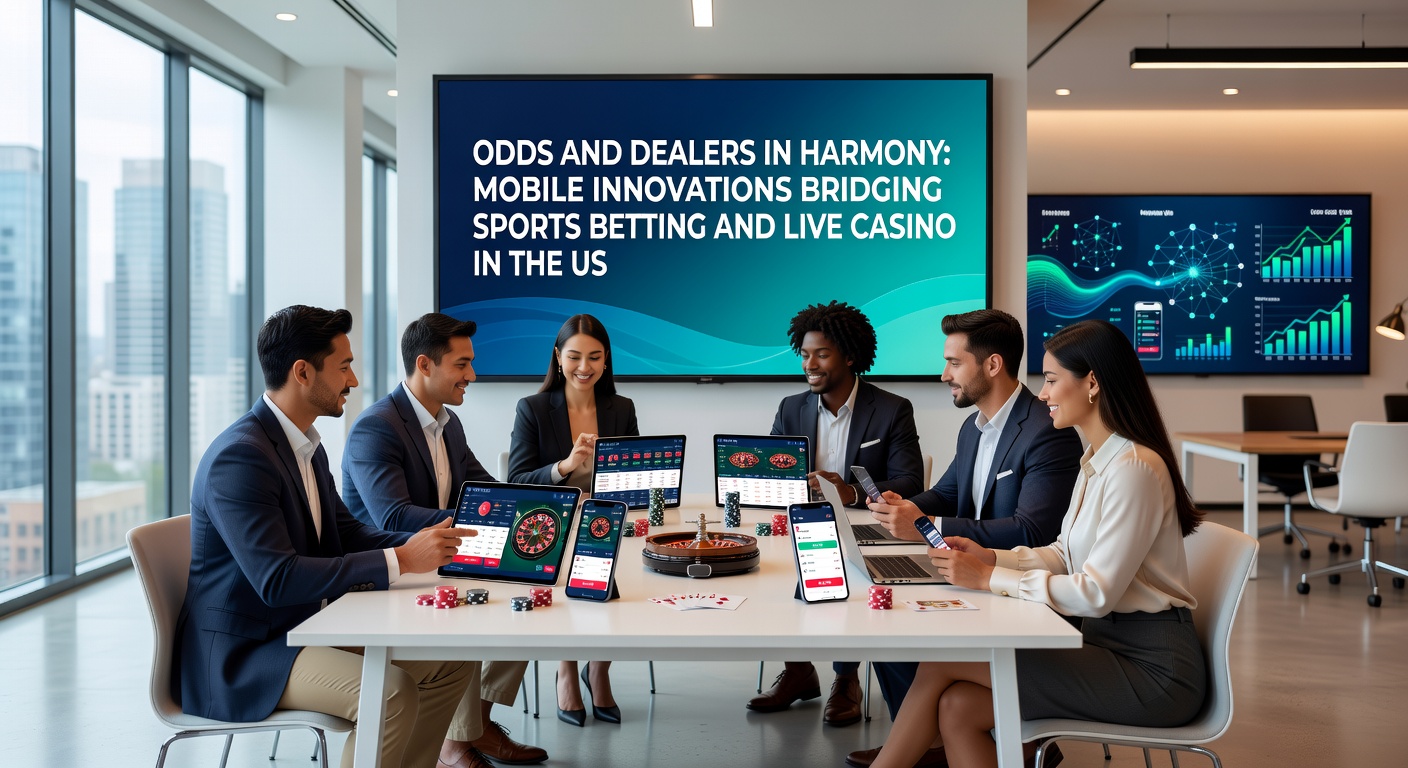
Case Studies: Operators Leading the Charge
Take BetMGM, which unveiled its "Seamless Switch" feature in late 2025; users tap a floating icon to slide from NFL spreads into live baccarat, with shared leaderboards pitting sports bettors against casino high-rollers for unified jackpots—resulting in a 31% revenue lift from cross-category play, as their quarterly reports confirm.
Over in Colorado, Caesars Sportsbook integrated Evolution Gaming's live studios directly into its app, allowing bets on Avalanche hockey to fund instant blackjack sessions; one study from the UNLV International Gaming Institute found this setup increased average deposits by 19%, since players chase the thrill without app-switching friction.
So FanDuel followed suit with "Game Flow," an AI curator that sequences sports events into casino interludes—post-game roulette boosts, for example—and data indicates session values rose 27% among adopters; observers note how these innovations keep the action rolling, turning downtime between quarters into dealer-dealt opportunities.
There's this case from West Virginia too, where operators like BetRivers rolled out VR-enhanced bridges in pilot mode by April 2026; bettors don headsets to "step" from a virtual sportsbook lounge into a live dealer pit, with haptic feedback syncing card shuffles to phone vibrations—a novelty that's drawn 15% more under-30 users, per state revenue trackers.
Regulatory Shifts and State-by-State Rollouts
Regulators have adapted swiftly; Illinois amended its gaming laws in March 2026 to mandate hybrid app certifications, ensuring live dealer streams meet the same geofencing standards as sportsbooks, while Indiana's gaming commission approved unified licensing that slashed operator costs by 22%, paving the way for smaller players to join the fray.
Yet challenges persist—Indiana's recent audits flagged latency issues in rural 5G dead zones, prompting mandates for backup streaming protocols; California, still negotiating tribal compacts, eyes similar fusions as ballot measures loom, with projections estimating $500 million in new hybrid revenue if passed.
Now, in states like New York, where mobile sports betting dominates, live dealer expansions via partnerships with studios like Pragmatic Play have correlated with a 14% handle increase quarter-over-quarter, although stricter ad rules cap cross-promotion hype.
User Behaviors and Engagement Metrics
People who've dived into these platforms often discover the real hook lies in social features; live chat spans sports lobbies and dealer tables, fostering communities where punters share NBA picks mid-blackjack hand, and data shows this interactivity lifts lifetime value by 36%.
It's noteworthy that demographics skew younger—millennials and Gen Z make up 68% of hybrid app users, drawn by gamified transitions like "bet chains" linking a tennis accumulator to live sic bo rolls; retention data from Q1 2026 reveals 79% monthly return rates, far outpacing siloed apps.
That said, operators track play patterns closely; heat maps indicate peak crossovers during halftime voids or post-fight lulls, where live dealers fill the gap seamlessly, and promo stacking—sports boosts funding casino play—has become table stakes for top-tier loyalty programs.
Challenges Ahead and Emerging Horizons
While growth surges, scalability tests loom; server demands for simultaneous HD streams and odds calculations strain infrastructure, leading to investments topping $450 million industry-wide in 2025 alone, but experts predict edge computing will cut costs 30% by 2027.
Security bolsters confidence too—biometric logins now verify switches between modes in under two seconds, with fraud rates dropping to 0.4% on hybrid platforms; looking forward, Web3 wallets promise decentralized bridges, letting users port bets across apps without intermediaries.
And as 5G evolves to 6G pilots in urban hubs, latency could dip below 20ms, unlocking holographic dealers synced to live sports overlays—a prospect Arizona regulators are already vetting for 2027 rollouts.
Wrapping Up the Mobile Fusion
This convergence of odds and dealers via mobile tech reshapes US betting landscapes, delivering unified experiences that drive revenue, engagement, and innovation; with states like Ohio and Maryland expanding hybrids in April 2026, the trajectory points to even deeper integrations, where sports thrills and casino realism coexist effortlessly on fingertips nationwide, backed by data showing sustained double-digit growth across key markets.