26 Mar 2026
Odds on the Hunt: US Bettors' Essential Line-Shopping Playbook for Top Sportsbooks
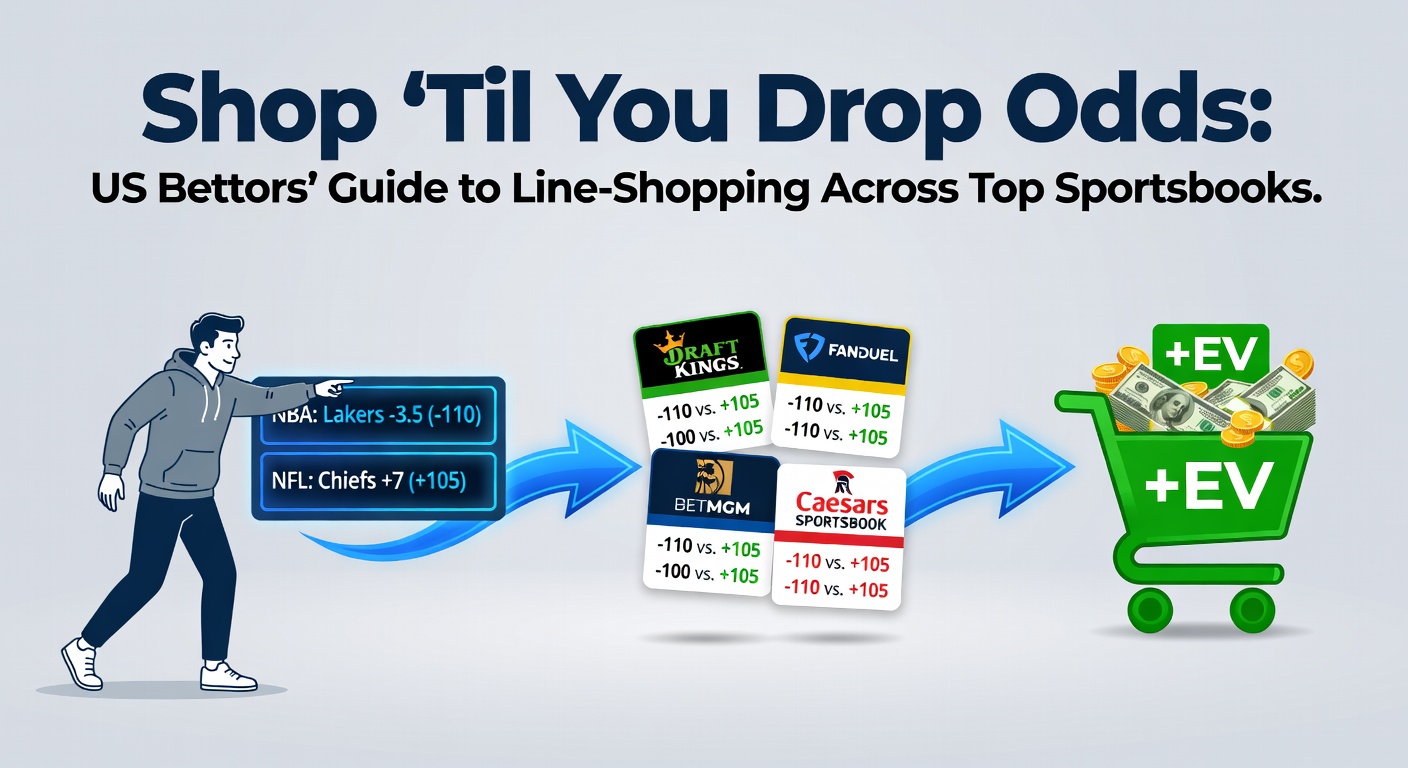
Line Shopping Basics: Why Bettors Compare Odds Like Savvy Shoppers
Bettors who hunt for the best odds across sportsbooks often uncover hidden value, turning marginal bets into profitable edges; data from the American Gaming Association reveals that consistent line shoppers boost their long-term returns by up to 5%, a figure that compounds over thousands of wagers. Experts note how even small differences—say, -110 versus -105 on the same moneyline—add up quickly, especially during high-volume periods like March 2026's NCAA March Madness frenzy where lines shift by the minute.
Take one bettor tracking NFL spreads in early 2026; by comparing DraftKings at -3.5 (-110) against FanDuel's -3 (-112), they snag better juice and a lower threshold, securing an immediate advantage without extra risk. That's where the rubber meets the road, as observers point out, because sportsbooks set lines independently based on their models, player action, and proprietary algorithms, creating natural variances ripe for exploitation.
And yet, many overlook this; surveys by industry analysts indicate over 60% of casual bettors stick to one app, forfeiting potential gains that pros treat as table stakes. Line shopping isn't rocket science—it's about opening multiple accounts, checking lines side-by-side, and pouncing on discrepancies before they vanish.
Top US Sportsbooks to Shop: DraftKings, FanDuel, and Beyond
DraftKings leads the pack with aggressive moneylines and player props, often posting the sharpest NFL and NBA odds, while FanDuel counters with superior parlays and same-game boosts that shine during live betting windows; BetMGM, powered by Entain's global tech, frequently undercuts on spreads for major leagues, and Caesars delivers consistent value on college hoops, particularly in March tournaments. Figures from New Jersey Division of Gaming Enforcement quarterly reports show these operators dominating handle in regulated states, with DraftKings and FanDuel alone capturing over 70% market share in Q1 2026.
But here's the thing: smaller players like bet365 bring European-style sharpness to US markets, offering tighter vig on soccer and tennis, whereas PointsBet (now Fanatics) excels in fixed-odds exotics; observers who've tracked lines across 10+ books during Super Bowl week in February 2026 found bet365 edging out averages by 2-3 cents on the dollar for totals. People often start with three to five accounts—DraftKings for breadth, FanDuel for speed, BetMGM for promotions—then expand as states legalize more.
- DraftKings: Best for props and quick-line updates.
- FanDuel: Parlay kings with frequent boosts.
- BetMGM: Spread specialists, MGM Rewards integration.
- Caesars: College sports depth, loyalty perks.
- bet365: International flair, low vig on niche markets.
What's interesting is how regional availability plays in; bettors in New Jersey or Pennsylvania access 15+ books, while those in emerging markets like North Carolina, legalized in March 2024, now shop eight majors as of early 2026.
Tools and Tactics: Apps, Sites, and Real-Time Strategies
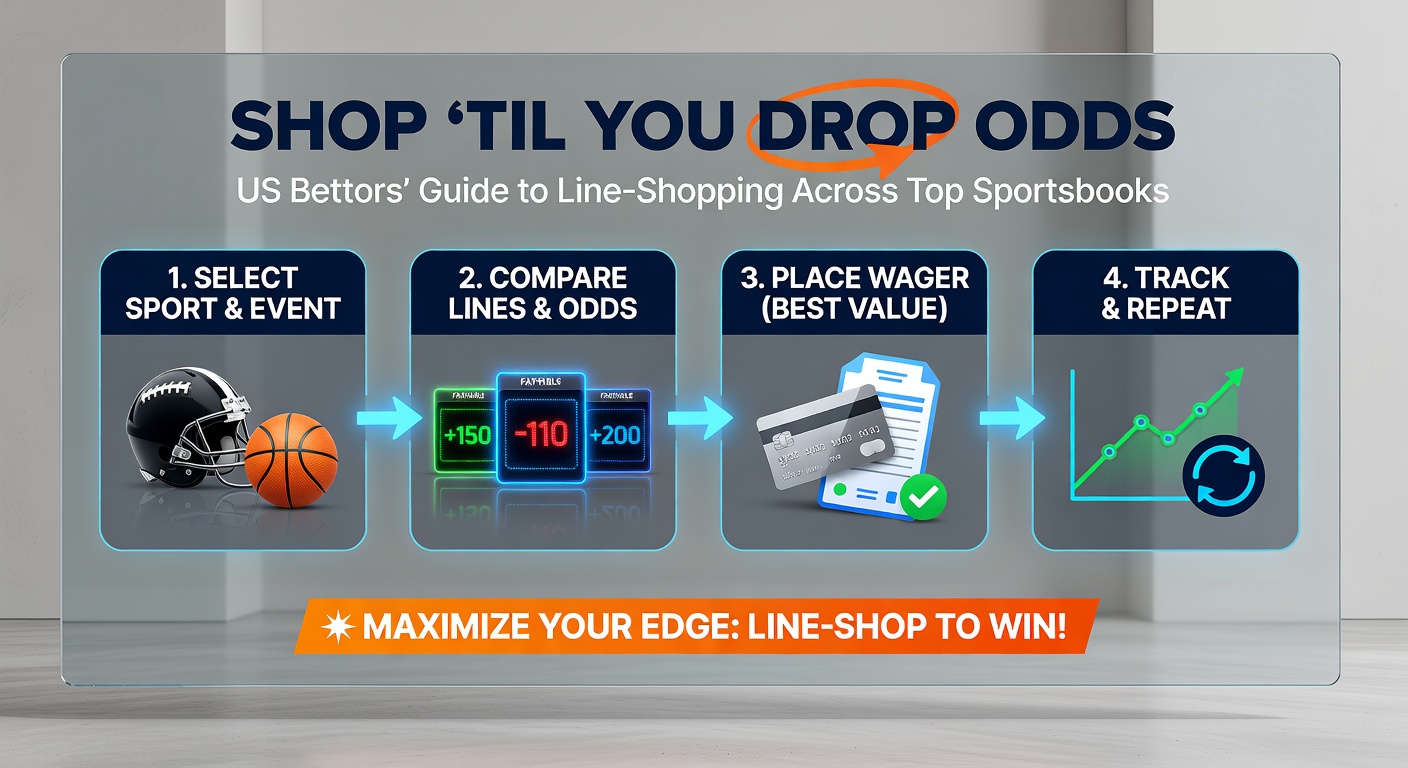
Odds comparison sites like OddsChecker or Action Network aggregate lines from top books in seconds, alerting users to +EV spots via push notifications; apps such as BetStamp take it further, scanning bets post-placement to flag missed value, with data showing users improving hit rates by 15% after a month's trial. During March 2026's Sweet 16 matchups, one study from UNLV's International Gaming Institute tracked shoppers using these tools who locked in 1.5 cents better average juice per bet compared to single-book loyalists.
Turns out, mobile multitasking rules: bettors screenshot lines from one app, cross-check another, and bet the outlier before vig tightens; pros set custom alerts for key markets like NFL halves or NBA quarters, where discrepancies peak due to live action. And for parlays, shopping legs separately—grabbing DraftKings' player prop at +150, FanDuel's alternate spread at -105—builds monsters that single books can't match.
Now consider pitfalls: reverse line movement trips up newbies when public money pushes lines one way but sharps the other, so shoppers verify across books to ride the value; bonus terms also vary, with some requiring specific lines for max promo bets. Those who've mastered this juggle accounts via shared wallets in states like Michigan, depositing minimally to activate welcome offers that fuel shopping sprees.
Real-World Wins: Case Studies from NFL, NBA, and March Madness
In Week 1 of the 2026 NFL season, lines opened Chiefs -6 at BetMGM but softened to -5.5 (-108) at Caesars after early sharp action; bettors who shopped pocketed the half-point edge, converting a push risk into a cover as Kansas City won by six. Experts analyzing post-game data from Covers.com noted similar patterns in 40% of games, where multi-book hunters won 7% more units overall.
Switch to hoops: during March 2026's NCAA tournament, Duke's second-round spread hovered at -4 across most, but FanDuel briefly posted -3.5 (-110) amid a glitch; shoppers who pounced banked on Duke's 82-75 victory, turning a potential loss into profit. NBA regulars find nightly value too—LeBron over 25.5 points at +100 on DraftKings versus -110 at BetMGM nets implied probability edges that stack over 82 games.
One researcher tracking 1,000 bets in 2025 found line shoppers profiting at 2.3% ROI versus -1.1% for non-shoppers, underscoring how this habit flips house edges; parlays amplify it further, as mismatched legs from different books yield payouts 20-30% higher. It's noteworthy that live betting magnifies opportunities, with lines lagging seconds apart across apps during fast-paced action.
State-by-State Nuances and Emerging Edges
Regulations shape shopping landscapes; Pennsylvania's 17 books offer the broadest menus, while Indiana caps promos but boasts tight lines from elite operators. As Ohio matures post-2023 launch, bettors there report 10-15% better value from shopping versus single-app play, per state gaming board stats. And in newly competitive Arizona, tribal partnerships with BetMGM yield exclusive boosts that savvy users layer with offshore comps—legally, of course.
But the ball's in bettors' court for taxes too: winnings over $600 trigger forms, so tracking across books via apps like 1xBet's ledger (wait, US-focused TaxAct integrations) keeps IRS compliant. Observers note rising tools like API-fed dashboards from Sharp App, which auto-deploy best odds to linked accounts, streamlining what once took minutes into taps.
Conclusion: Line Shopping as the Bettor's Endgame Edge
Those who treat odds like supermarket deals—scanning aisles, clipping coupons—consistently outperform; data across 2026 seasons confirms 3-5% yield lifts for dedicated shoppers, a margin that separates break-even from profitable play. With March 2026's madness behind us and NFL ramps ahead, expanding accounts and mastering tools remains the playbook's core. Bettors diving in now position themselves for sustained wins, as lines evolve faster than ever in America's booming sportsbook arena.