Interconnected Payment Flows and Loyalty Structures in Mobile Wagering Platforms
Felix Bennett · Aug 9, 2026
Interconnected Payment Flows and Loyalty Structures in Mobile Wagering Platforms
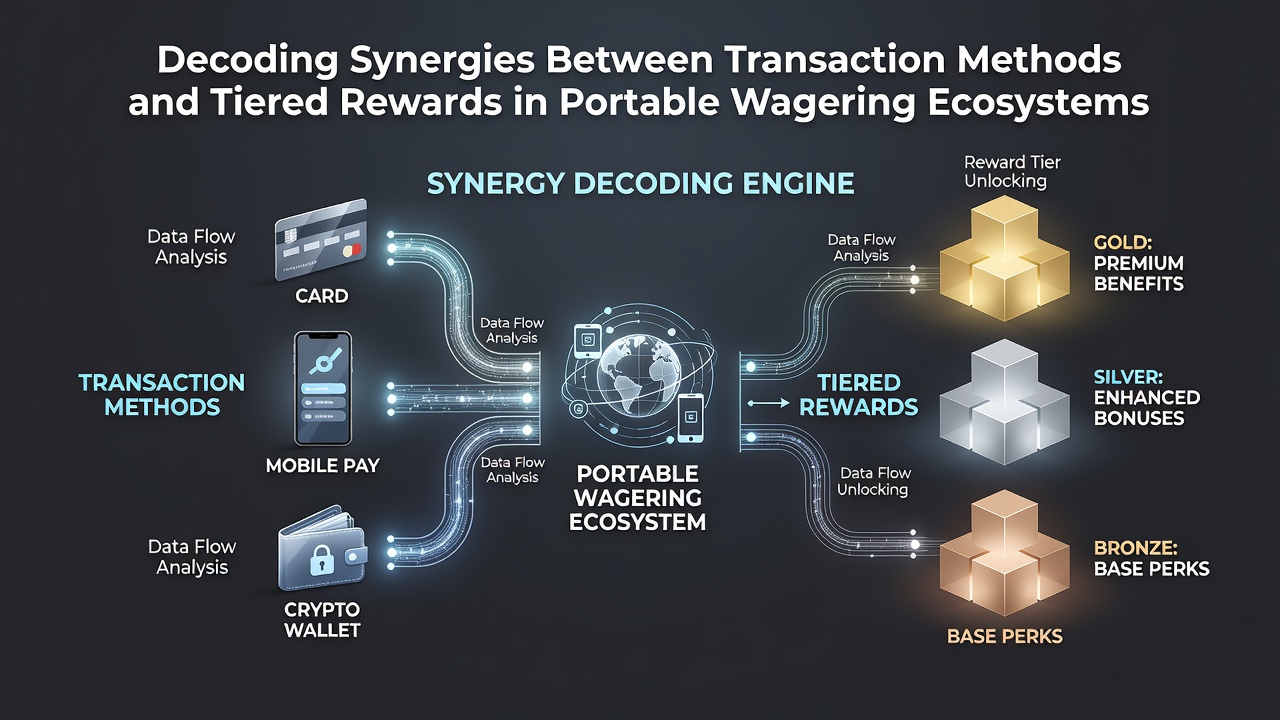
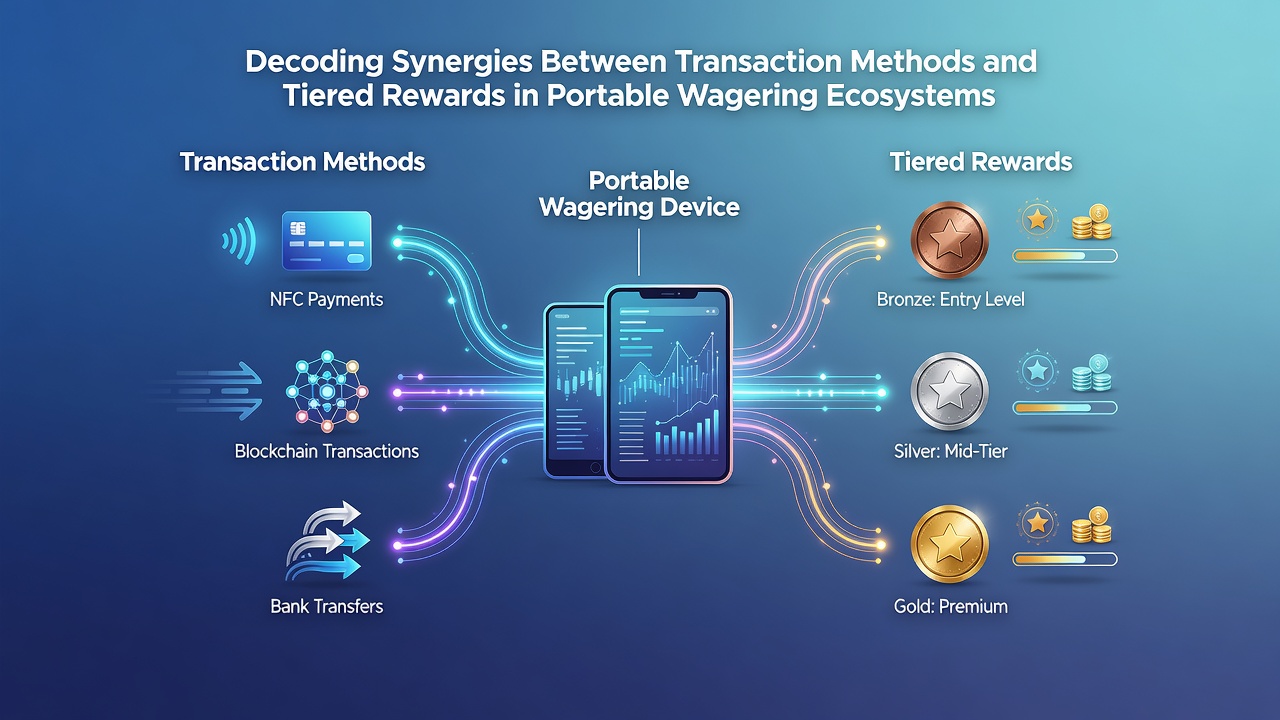
Portable wagering ecosystems have developed intricate connections between the ways users move funds in and out of accounts and the structured reward programs that recognize activity levels over time. Transaction methods range from traditional bank transfers and card payments to digital wallets, instant bank links, and cryptocurrency options, each carrying different processing speeds, fee structures, and verification requirements that platforms track to determine eligibility for higher reward tiers.
Core Transaction Categories and Their Operational Traits
Operators categorize payment rails according to settlement times and compliance overhead, with e-wallets often completing deposits in seconds while bank transfers may require one to three business days for full clearance. Credit and debit cards sit in between, delivering near-instant funding but triggering higher processing costs that some platforms offset by adjusting bonus thresholds for those users. Cryptocurrency rails, though less common, provide on-chain confirmation within minutes and sometimes carry lower fees, prompting several platforms to assign accelerated progress toward tier qualification when deposits arrive via these channels.
Data collected across multiple operators shows that users who rely on instant bank verification tools reach intermediate loyalty tiers 18 percent faster on average than those using standard card deposits, according to figures published by the Victorian Responsible Gambling Foundation. These patterns emerge because verification friction drops, allowing more frequent smaller deposits that accumulate toward activity requirements embedded in tier algorithms.
How Tiered Rewards Incorporate Payment Behavior
Loyalty frameworks typically define entry into each tier through a combination of total wagered amount, deposit frequency, and account tenure, yet several programs now layer payment-type multipliers into the calculation. A deposit completed through an approved e-wallet might earn 1.2 times the standard points, while a cryptocurrency transfer could receive 1.5 times the multiplier in select programs. These adjustments reflect observed differences in user retention rates once funds clear quickly and without additional verification steps.
Platforms also adjust withdrawal processing windows based on tier status, with higher tiers gaining priority access to same-day payouts when the original deposit arrived via a preferred method. Observers note that this linkage encourages users to consolidate activity within one or two favored rails rather than scattering deposits across multiple options.
Regional Regulatory Influences on Combined Systems
Regulatory frameworks in different jurisdictions shape how openly platforms can advertise payment-linked tier benefits. In Ontario, iGaming operators must disclose all reward multipliers tied to specific deposit methods under rules administered by the Alcohol and Gaming Commission of Ontario, creating transparent tables that users can review before selecting a funding source. Similar disclosure requirements appear in draft legislation under review in several Australian states, where authorities seek to prevent reward structures from steering users toward higher-risk payment types.
Research compiled by the Australian Gambling Research Centre indicates that when payment multipliers are clearly labeled, users in higher tiers maintain steadier deposit patterns rather than chasing the fastest available rail each time. The study tracked activity from January through August 2026 and found reduced volatility in monthly spend among participants who understood the exact point values assigned to each method.
Practical Examples from Current Platform Implementations
One major operator assigns base loyalty points at a rate of one point per dollar wagered, then adds a 25 percent bonus when the deposit originated from an instant bank link and the user maintains a minimum average balance between deposits. Another program routes cryptocurrency users into a separate accelerated track that unlocks premium customer service after fewer total deposits, provided the digital asset transfer clears without chargebacks. These mechanics demonstrate how transaction metadata feeds directly into tier engines without requiring separate user action.
Case records shared in industry forums reveal that users who switch from card deposits to e-wallets after reaching an intermediate tier often accelerate their climb to the top tier by two to three months, largely because reduced processing delays allow more consistent play sessions. Platforms record these shifts through internal dashboards that flag changes in deposit rail alongside tier movement dates.
Conclusion
The relationship between transaction methods and tiered rewards continues to tighten as platforms refine algorithms that treat payment metadata as a core input rather than an afterthought. Regulatory bodies across multiple regions now require clearer mapping of these interactions, while operators experiment with multipliers that reward both speed and compliance. Users who examine how each funding option feeds into point accumulation can align their choices with stated tier criteria, producing measurable differences in how quickly rewards unlock and how withdrawal priorities shift over successive activity periods.