Integrating Transaction Systems and Interactive Mechanics to Strengthen Retention in Licensed Mobile Platforms
Felix Bennett · Jun 21, 2026
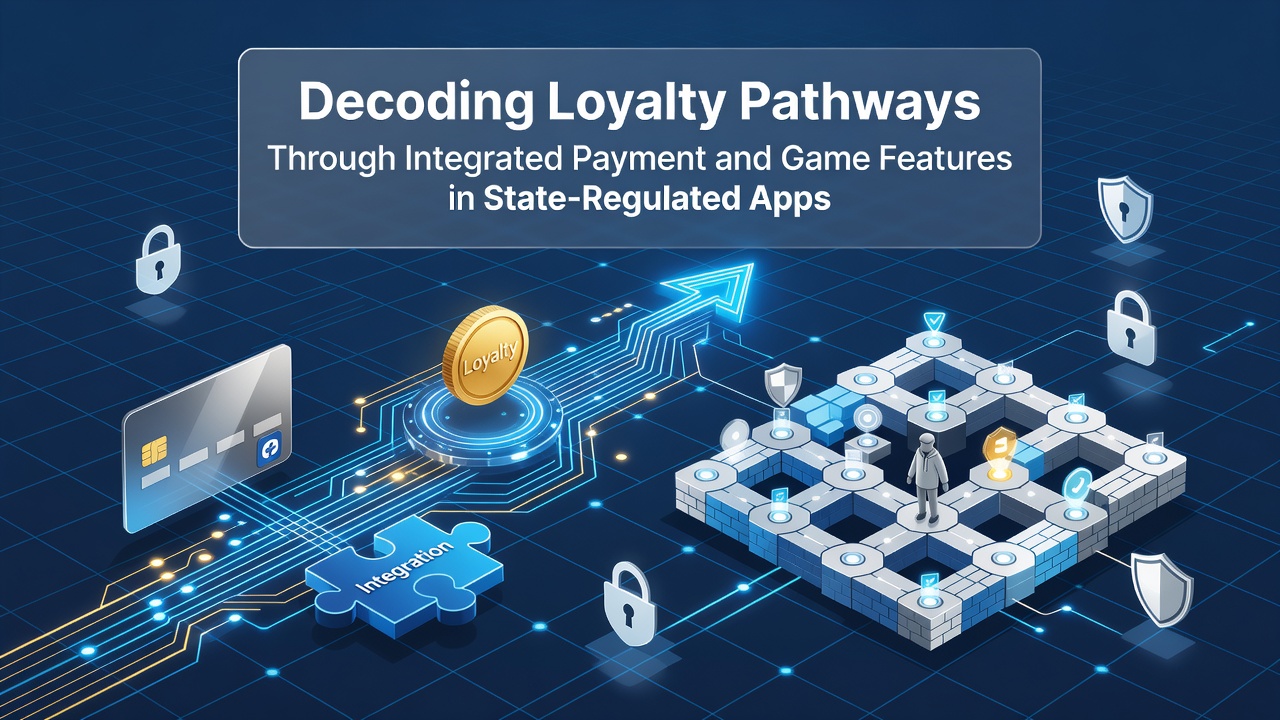
Integrating Transaction Systems and Interactive Mechanics to Strengthen Retention in Licensed Mobile Platforms
State-regulated apps have evolved payment processing and gameplay elements into coordinated systems that guide users along structured loyalty pathways, and observers note these integrations appear in markets across multiple jurisdictions by June 2026. Data from industry reports shows seamless deposits, instant reward crediting, and tiered progression mechanics work together to maintain engagement levels while complying with licensing requirements. Those who have examined user behavior patterns find that applications linking financial transactions directly to game outcomes create measurable retention effects without relying on isolated promotional tactics.
Payment Integration as the Foundation for Retention Pathways
Regulated platforms connect deposit methods to loyalty tracking through automated systems that record transaction frequency and volume, then apply corresponding rewards in real time. According to figures released by the American Gaming Association, mobile sportsbooks in operational states processed over 85 percent of deposits via integrated wallets by early 2026, which allowed operators to trigger bonus unlocks immediately upon successful funding. This linkage reduces friction between funding an account and accessing game features, while audit trails satisfy regulatory oversight from bodies such as the New Jersey Division of Gaming Enforcement.
Users encounter loyalty points that accrue proportionally to deposit amounts and game participation, and the same systems verify responsible gambling limits before processing rewards. Research from the University of Nevada, Reno's gaming studies group indicates that apps employing unified payment ledgers see repeat deposit rates rise by 22 percent compared with fragmented transaction environments. These pathways guide participants from initial deposits toward sustained activity because the payment layer feeds directly into visible progress indicators within the game interface.
Game Features That Extend Loyalty Through Structured Progression
Interactive elements in state-regulated applications include progressive VIP tiers, achievement-based challenges, and live event integrations that adjust reward structures based on user activity data. Platforms synchronize these features with payment histories so that higher deposit consistency unlocks advanced game modes or exclusive table limits, and analysts tracking retention metrics report that such synchronization correlates with longer session durations. One study released by the Canadian Gaming Association highlighted how apps in Ontario's regulated market achieved a 31 percent improvement in monthly active users after embedding payment-verified challenges into their core gameplay loops.
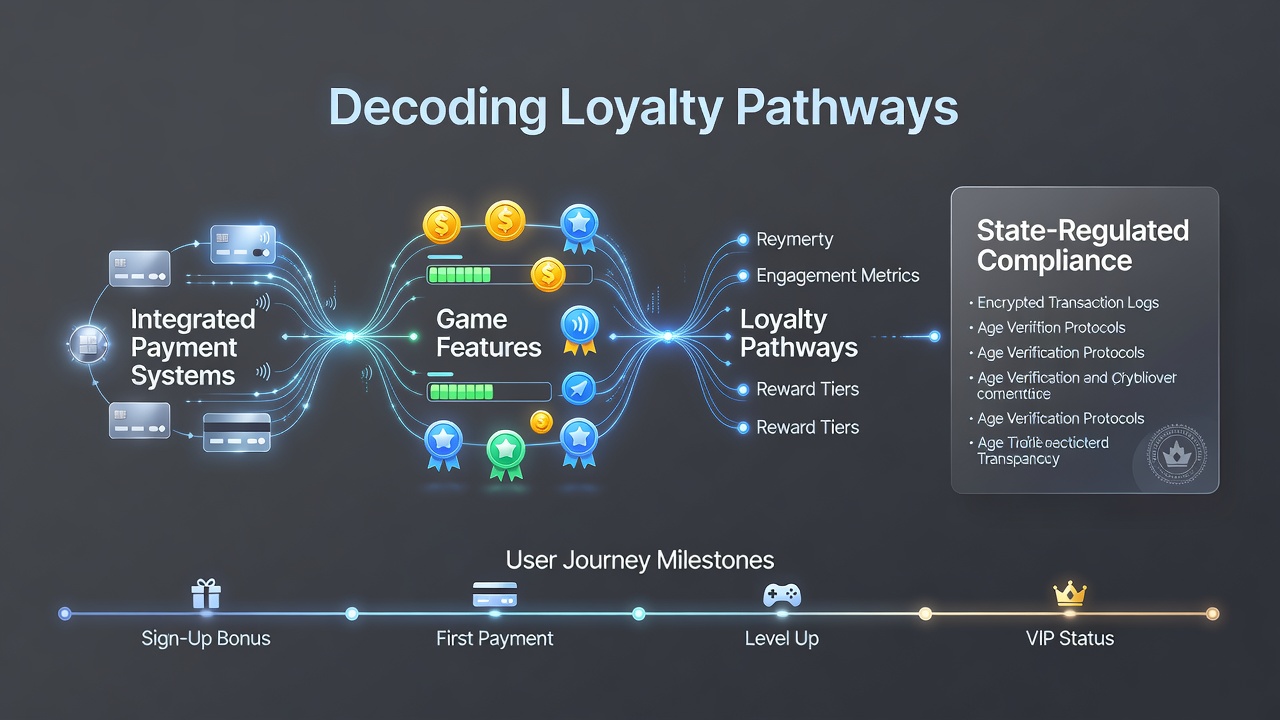
Live dealer modules and slot progressions often incorporate real-time multipliers tied to recent transaction activity, which creates immediate feedback loops between funding decisions and entertainment value. Experts observing these mechanics note that state licensing rules require transparent display of odds and reward probabilities, yet the integration itself remains compliant when payment data feeds only into non-gambling outcome modifiers. By June 2026 several operators had introduced cross-game loyalty currencies that transfer value across sports betting and casino sections, further extending the pathway duration before users reach maximum tier status.
Regulatory Compliance Shaping Integrated Loyalty Designs
Licensing authorities mandate clear separation between payment processing and game result determination, which forces developers to build loyalty systems around verifiable transaction records rather than randomized game elements alone. The Australian Communications and Media Authority has published guidelines requiring that reward triggers based on deposits must include mandatory cooling-off periods, and platforms operating under these rules demonstrate that integrated systems can still deliver consistent retention benefits. Observers tracking compliance data across US states find that operators who embed audit logs within both payment and gameplay modules experience fewer regulatory interventions while maintaining user progression rates.
Security protocols such as tokenization and multi-factor authentication protect the data flows that connect deposits to loyalty accounts, and these measures also support age verification checks required before any reward activation. Research indicates that states with mature regulatory frameworks report lower dispute rates when loyalty pathways remain fully traceable from initial payment through final redemption. This traceability builds user confidence because participants receive documented histories of how their transactions influence game access and tier advancement.
Case Examples from Operational Markets
In Pennsylvania's regulated ecosystem, several applications introduced payment-triggered loyalty quests that award bonus spins after a minimum number of verified deposits within a set period, and industry data shows these quests increased average user lifetime value by measurable margins. Similar patterns appear in Michigan, where operators link daily fantasy-style challenges to wallet activity, creating pathways that transition casual participants into consistent players without violating advertising restrictions. European markets regulated under the Malta Gaming Authority have tested comparable integrations, with reports noting that combined payment and progression mechanics sustain engagement across longer timeframes than standalone bonus programs.
These examples illustrate how state-specific rules influence the exact configuration of loyalty pathways, yet the underlying principle remains consistent: transaction data serves as the entry point that activates layered game experiences designed to encourage repeated interaction.
Conclusion
Integrated payment and game features in state-regulated apps form measurable loyalty pathways that rely on automated tracking, regulatory-compliant reward structures, and synchronized progression systems. Data from multiple jurisdictions demonstrates that these connections between financial activity and interactive elements support sustained user participation while meeting licensing standards. As markets continue to expand through 2026, the technical frameworks linking deposits to gameplay rewards represent a core operational strategy across licensed platforms.