Integrating Reward Structures with Smartphone Layouts Across Major US Gambling Operators
Uma Foster · Jun 5, 2026
Integrating Reward Structures with Smartphone Layouts Across Major US Gambling Operators
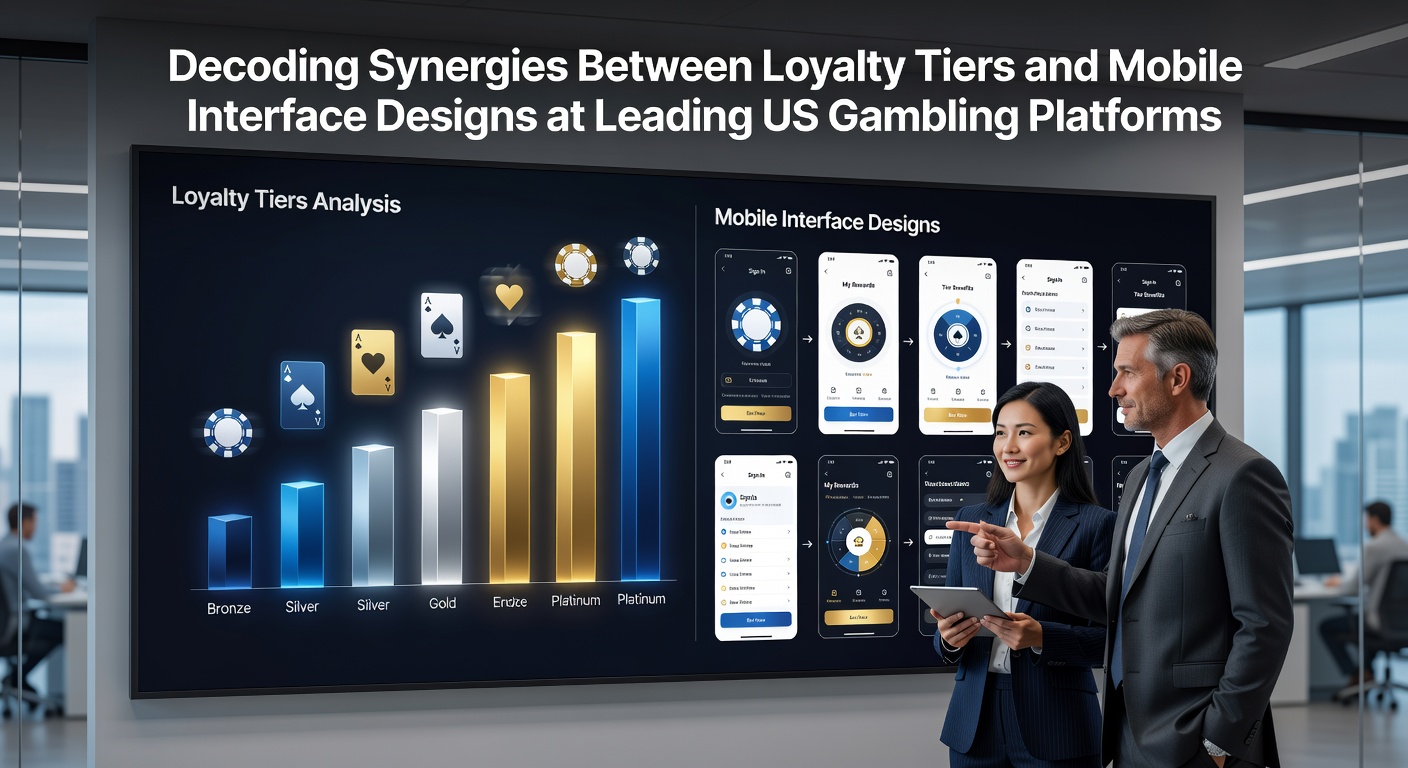
Leading US gambling platforms have developed loyalty tiers that connect directly with mobile interface designs to create tailored user paths, and this integration has shaped how operators present rewards, navigation options, and personalized content since the expansion of legal mobile betting across multiple states. Data from industry reports indicates that operators adjust menu structures, color schemes, and feature accessibility based on user tier status, which allows higher-level participants to encounter exclusive sections without leaving the main app flow. Researchers at institutions tracking digital engagement patterns have noted that these adjustments appear in apps from operators holding licenses in states such as New Jersey, Pennsylvania, and Michigan, where mobile wagering volumes continue to rise.
Design teams at these platforms often embed tier indicators within the primary navigation bar or profile header, and this placement lets users view their current status alongside balance and active promotions without switching screens. According to figures released by the American Gaming Association in early 2026, mobile sessions accounted for over 70 percent of total online gambling activity during the first half of the year, which has prompted further refinements in how loyalty data displays on smaller interfaces. Those refinements include progressive unlocking of shortcut buttons that grant direct access to VIP-only events or accelerated cashout paths, elements that remain hidden or collapsed for entry-level users.
Core Components of Tier-Based Interface Adjustments
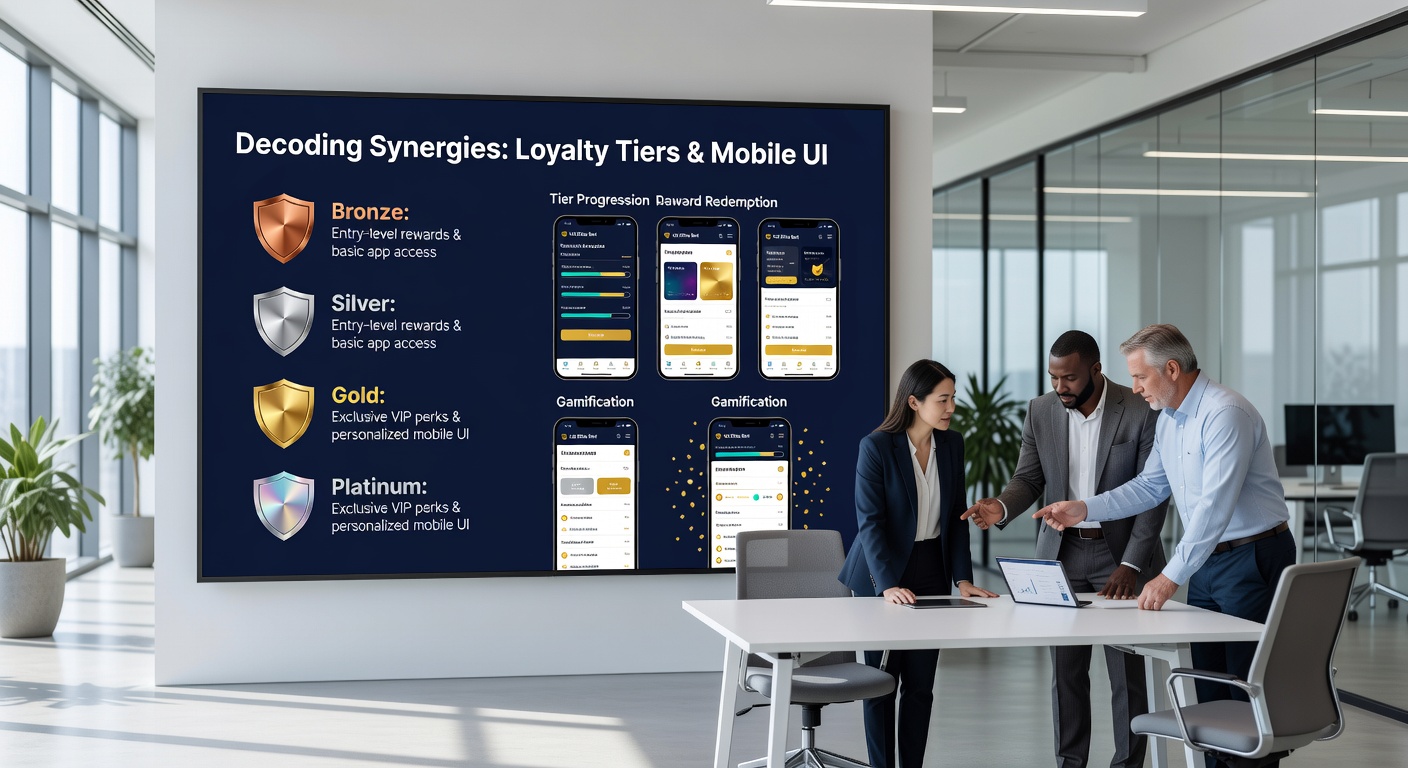
Operators structure loyalty programs around point accumulation systems that feed into mobile layouts through dynamic content modules, and these modules change based on accumulated activity metrics such as wager volume or deposit frequency. Lower tiers typically receive standard home screens focused on popular sports markets or slot categories, while elevated tiers see additional panels highlighting personalized odds boosts or early access to new game releases. Interface developers achieve this through backend segmentation that pulls user profiles in real time, ensuring the visual hierarchy shifts without requiring manual updates from the account holder.
Navigation patterns also diverge by tier, with higher-status users gaining collapsible side menus or tabbed sections that consolidate loyalty-specific tools like tier progress trackers and redemption histories. Studies conducted by university research groups examining user behavior on betting applications have shown that such layered navigation reduces tap counts for frequent users, although the exact efficiency gains vary by device type and operating system version. Color gradients and icon styles further reinforce tier distinctions, employing metallic finishes or exclusive badge placements that only activate once a user crosses defined thresholds.
Personalization Mechanisms and Their Visual Implementation
Personalization extends beyond simple welcome messages to include algorithm-driven content feeds that prioritize events or games aligned with a user's historical patterns, and these feeds integrate tier benefits such as reduced house edges or bonus multipliers directly into the displayed options. Mobile designers place these customized carousels near the top of the screen for premium tier members, whereas base-level interfaces maintain broader, unfiltered selections to encourage exploration across all available markets. This arrangement stems from A/B testing data collected internally by development teams, which reveals differing engagement durations based on how quickly relevant rewards surface in the layout.
Push notification settings and in-app alert preferences also adapt according to tier, granting higher-level participants options to receive targeted messages about upcoming exclusive tournaments or deposit match opportunities that align with their activity windows. Observers at trade conferences in June 2026 highlighted how these notification tiers integrate with interface toggles that let users fine-tune frequency without navigating away from the main dashboard, creating a seamless loop between engagement prompts and reward tracking. External data from the National Council on Problem Gambling indicates that clear visual separation of these features helps users maintain awareness of their status level during extended sessions.
Platform Examples and Design Patterns Observed in 2026
Multiple operators have implemented swipe gestures that reveal tier-specific overlays on live betting screens, and these gestures allow quick access to enhanced statistics or hedging tools reserved for advanced participants. The patterns appear consistently across both sports betting and casino-style applications, where interface elements such as floating action buttons expand into tier-gated menus once the system detects qualifying activity levels. Industry analyses published by the Responsible Gambling Council of Canada note similar segmentation approaches in cross-border comparisons, although US implementations emphasize state-specific compliance markers within the same mobile framework.
Font sizing, spacing, and button prominence receive adjustments that scale with tier progression, producing denser information displays for users who have demonstrated sustained engagement. These changes occur through responsive design frameworks that reference loyalty databases at each app launch, ensuring consistency between portrait and landscape orientations common on tablets and larger phones. Reports from academic centers studying digital interfaces confirm that such scalable elements contribute to longer average session lengths among users who reach mid-to-upper tiers within the first quarter of activity.
Conclusion
The documented connections between loyalty tier systems and mobile interface designs continue to evolve as operators refine data integration methods and respond to regulatory updates in active jurisdictions. Evidence from multiple sources shows that these synergies manifest through targeted content placement, adaptive navigation, and visual cues that align reward visibility with user status, producing measurable differences in how participants interact with gambling applications on smartphones. As mobile usage remains dominant into the latter half of 2026, further iterations in these design approaches are expected based on ongoing performance metrics collected across leading platforms.