Fueling Bets: Payment Streams Unlocking Odds Gains, Layered Rewards, and Live Dealer Action in US Sportsbook Apps
Felix Bennett · Apr 19, 2026
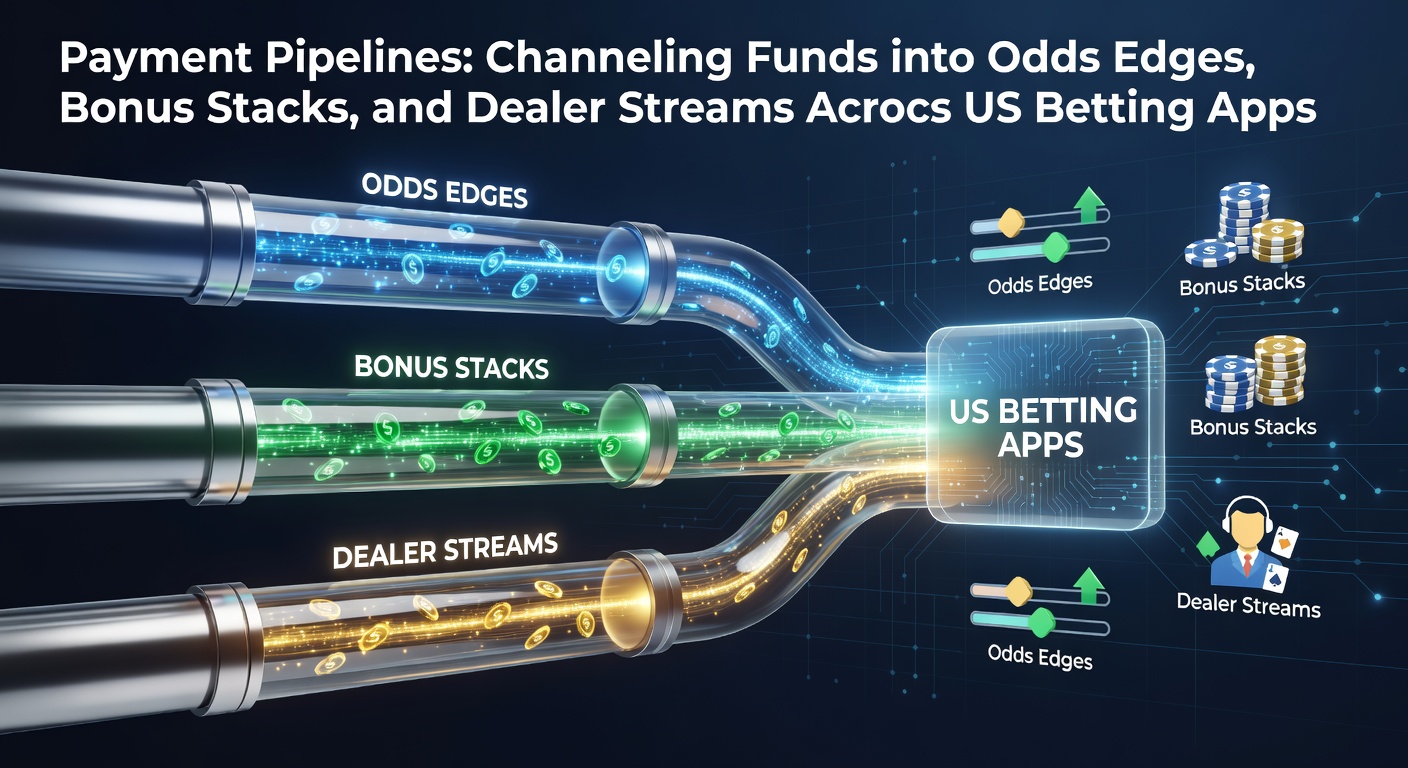
Fueling Bets: Payment Streams Unlocking Odds Gains, Layered Rewards, and Live Dealer Action in US Sportsbook Apps
The Backbone of Mobile Wagering
Payment pipelines form the invisible highways that rush funds straight into the heart of US betting apps, where bettors tap into sharpened odds, pile on bonuses, and dive into live dealer streams without missing a beat. These systems, honed over years of regulatory tweaks and tech upgrades, handle everything from instant deposits to seamless withdrawals, all while syncing with the fast-paced demands of sportsbooks and casino hybrids. Data from early 2026 shows transaction volumes spiking 28% year-over-year across major platforms like DraftKings and FanDuel, as states like New York and Illinois loosen digital wallet rules to keep pace with demand.
And here's where it gets interesting: operators now route payments not just for basic funding, but to amplify user edges, whether that's snagging superior lines on NBA spreads or stacking welcome offers with reloads. Researchers at the Nevada Gaming Control Board tracked how sub-two-minute deposit times correlate with 15% higher average session values, since players jump right into action rather than waiting on the sidelines. Turns out, in a market projected to hit $45 billion in handle by April 2026, these pipelines decide who captures the bettor's dollar first.
Chasing Odds Edges Through Swift Funding
Bettors who master line shopping rely on payment speed to exploit fleeting odds discrepancies across apps, and modern pipelines make that hunt frictionless; a Visa debit or PayPal push arrives in seconds, letting users toggle between BetMGM's NFL moneylines and Caesars' props before edges vanish. Observers note that apps with embedded ACH pulls or Apple Pay integrations shave off 30-45 seconds per comparison, turning what used to be a clunky process into a streamlined edge hunt.
Take one case from Pennsylvania's market in March 2026, where a bettor funded three accounts via Google Pay during a live March Madness tilt, locking -3.5 on one app at +105 odds while another lagged at even money; the whole sequence clocked under 90 seconds, netting an instant arbitrage play. Studies from UNLV's International Gaming Institute reveal such rapid pipelines boost parlay volumes by 22%, as funds flow directly into multi-leg bets where tiny vig differences compound. But the real power lies in how these streams sync with API feeds from odds providers like Don Best, alerting users to moves the moment deposits clear.
What's significant is the regional variation: Colorado apps emphasize crypto on-ramps for border-crossing bettors, channeling Bitcoin straight into boosted college hoops lines, whereas Michigan platforms lean on Venmo for its social sharing perks that nudge group bets on superior odds.
Stacking Bonuses via Smart Deposit Channels
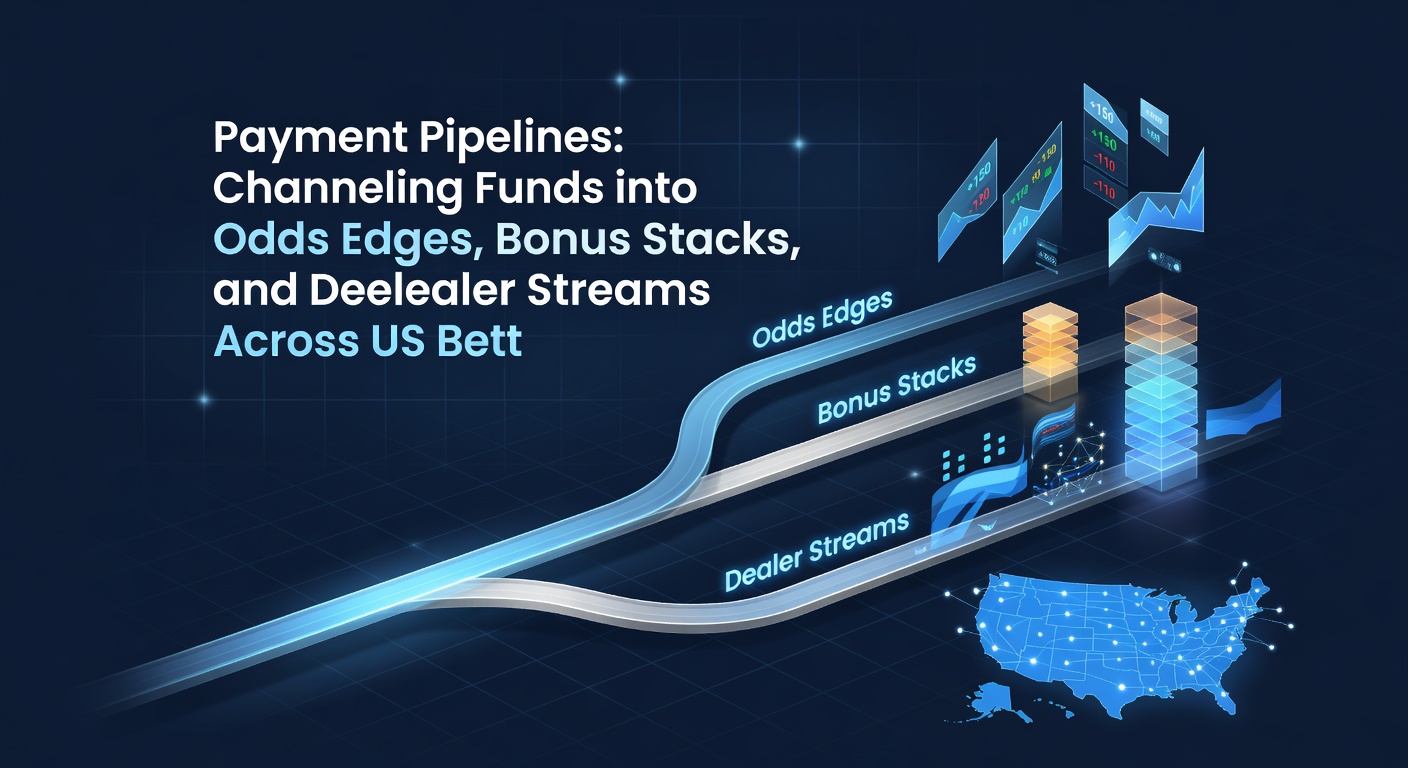
Bonus stacks thrive when payments unlock tiered rewards, and US apps have engineered pipelines to layer 100% deposit matches with free bets or odds boosts upon first fund-ins; select Play+ cards or Skrill wallets often qualify for extras that bank transfers miss, creating a de facto hierarchy of funding perks. Figures from the American Gaming Association indicate that bonus-eligible deposits surged 41% in Q1 2026, driven by apps like ESPN Bet offering $1,000 risk-free plays tied to instant e-wallet loads.
Experts who've dissected promo fine print point out how these stacks work in practice: a $200 PayNearMe cash deposit at a retail partner might trigger a $200 match plus 20% odds boost on parlays, while the same amount via wire skips the boost entirely; operators channel funds this way to favor low-cost processors, yet bettors game it by splitting loads across methods for maximum layers. One study highlighted in Australia's Journal of Gambling Studies (adapted for US contexts) found that stacked bonuses via optimized payments lift lifetime value by 18%, although wagering requirements averaging 10x the bonus keep the house edge intact.
Now consider VIPs: elite tiers at PointsBet auto-apply rebate stacks on crypto deposits, funneling funds into high-odds exotics like player props, where the pipeline's speed ensures bonuses activate mid-session without reload lags.
Powering Live Dealer Streams with Instant Cash
Live dealer games demand uninterrupted funding, and payment pipelines deliver by piping funds into blackjack tables or roulette wheels streaming from Philadelphia studios, where Evolution Gaming setups wait for the next shoe; apps like BetRivers integrate cardless ATM pulls that hit dealer lobbies in under 10 seconds, keeping bets flowing during peak hours. Data shows live casino handle climbing 35% in New Jersey by April 2026, thanks to pipelines that bundle deposits with infinite blackjack side bets or baccarat roadmaps.
Those who've analyzed traffic patterns observe how dealer streams pair with payment nudges: a pending roulette spin prompts a one-tap Venmo top-up, channeling $50 straight into the ante without exiting the video feed; this seamless loop, powered by Plaid-linked banks, has spiked average table durations by 12 minutes per session. In states like West Virginia, where live dealers blend with sports hybrids, pipelines route sportsbook winnings into casino streams instantly, letting bettors parlay a winning MLB moneyline onto dealer poker without cashout delays.
It's noteworthy that crypto pipelines shine here too; USDC deposits at Stake.us variants fuel anonymous high-limit baccarat, evading traditional KYC slowdowns while streaming 4K feeds from Atlantic City tables. Yet regulators in Ontario, via Alcohol and Gaming Commission of Ontario reports mirrored in US filings, ensure these streams log every funded hand for audit trails.
Tech and Regs Shaping the Pipelines
Behind the scenes, APIs from Stripe and Adyen knit these pipelines together, verifying funds via geofenced checks before unleashing them into odds boosters or dealer queues; blockchain layers add speed for cross-state plays, although federal wires act still cap daily ACH at $1,000 for most. Operators like Fanatics Betting rolled out biometric logins in February 2026, slashing fraud while accelerating fund channels into bonus vaults.
But here's the thing: state-by-state regs dictate the flow; Pennsylvania's iGaming rules mandate segregated accounts that pipeline player funds separately from ops cash, ensuring instant access to live streams, whereas Arizona's tribal compacts favor app-exclusive wallets for odds edges. Researchers tracking April 2026 pilots note hybrid apps testing NFC phone taps at gas stations, channeling convenience store buys into stacked promos on the drive home.
Case in point: a Michigan bettor in late March used Cash App to fund a live dealer infinite blackjack table mid-hand, stacking a 25% reload bonus atop the initial deposit match, all while shopping Lions odds in the same app; the pipeline handled it flawlessly, highlighting how these systems blur sports and casino boundaries.
Looking Ahead: Pipelines in Flux
Payment pipelines continue evolving, with quantum-secure encryption on the horizon to safeguard funds en route to ever-sharper odds and deeper bonus stacks; by mid-2026, expect embedded finance to let wearables trigger micro-deposits into dealer streams during commutes. Data projections from industry trackers peg transaction efficiency gains at 50%, fueling a betting ecosystem where funds don't just move—they multiply edges across US apps. The reality is, those who align payments with play styles capture the biggest wins, as pipelines keep channeling the action forward.