Deposit Decisions Drive Bonus Tactics and VIP Progress in US Mobile Live Dealer Scenes
Uma Foster · Jul 3, 2026
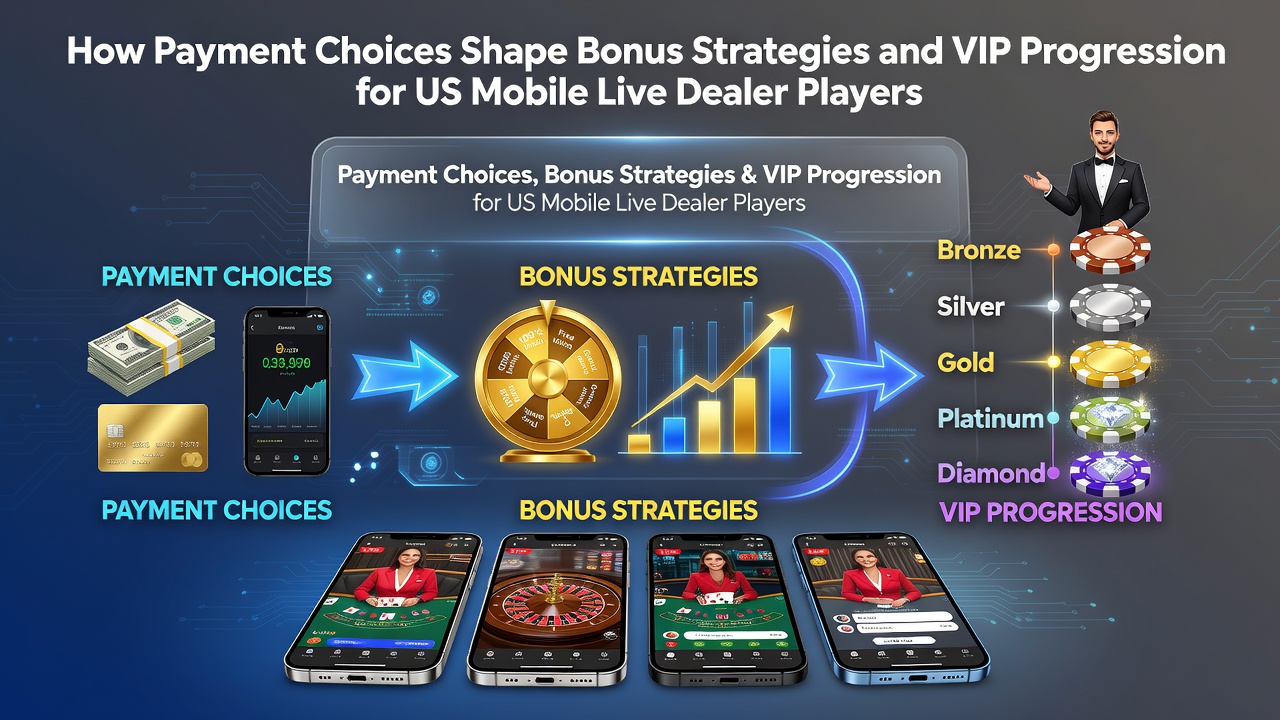
Deposit Decisions Drive Bonus Tactics and VIP Progress in US Mobile Live Dealer Scenes
Payment selections at US mobile live dealer platforms directly influence how players access promotional offers and advance through loyalty structures, with operators adjusting reward mechanics based on deposit methods such as bank transfers, digital wallets, and cryptocurrency options. Data from state regulatory filings shows that e-wallet transactions often trigger higher match percentages in states like New Jersey and Pennsylvania, while credit card deposits sometimes receive reduced bonus eligibility due to processing fees and verification timelines. Players in these markets frequently combine specific funding routes with live dealer sessions on blackjack and roulette tables to meet wagering thresholds faster, since certain gateways credit deposits instantly and allow immediate play on high-limit tables that contribute more toward tier points.
Payment Gateways and Initial Bonus Structures
US operators tailor bonus strategies around the speed and cost profiles of different payment systems, which means cryptocurrency deposits commonly unlock larger welcome packages because they bypass traditional banking delays and reduce chargeback risks for the platform. Research from the American Gaming Association indicates that in July 2026, mobile live dealer traffic in regulated states rose by 12 percent compared with the prior quarter, with a notable share of that growth tied to instant funding methods that pair with time-limited deposit bonuses. Those who've examined transaction logs observe that players using prepaid vouchers often qualify for cashback offers on live dealer losses, whereas ACH bank transfers may exclude users from certain reload promotions until the funds clear, which can take one to three business days and interrupt momentum during promotional windows.
Bonus terms frequently specify eligible payment types in fine print, so users who review those conditions before funding discover that some apps exclude credit card deposits from progressive jackpot contributions in live dealer environments. This setup encourages strategic sequencing, where an initial e-wallet deposit secures the largest match and subsequent play on mobile tables builds the volume needed for loyalty milestones. Observers note that platforms adjust these rules quarterly to balance player acquisition costs with regulatory requirements in each jurisdiction.
VIP Tier Advancement and Deposit Volume Patterns
Loyalty programs at major US mobile live dealer sites calculate VIP progression using a combination of total deposits, wagering volume, and sometimes the payment method itself, since certain gateways carry higher point multipliers. For instance, one documented case involved a Pennsylvania player who switched from credit cards to a digital wallet service and reached the top loyalty tier three weeks earlier because the operator awarded extra points on crypto and e-wallet activity during live dealer events. Figures from industry reports reveal that average time to reach mid-tier status drops when players select funding options with lower transaction costs, allowing more of each deposit to count toward the required playthrough rather than being absorbed by fees.
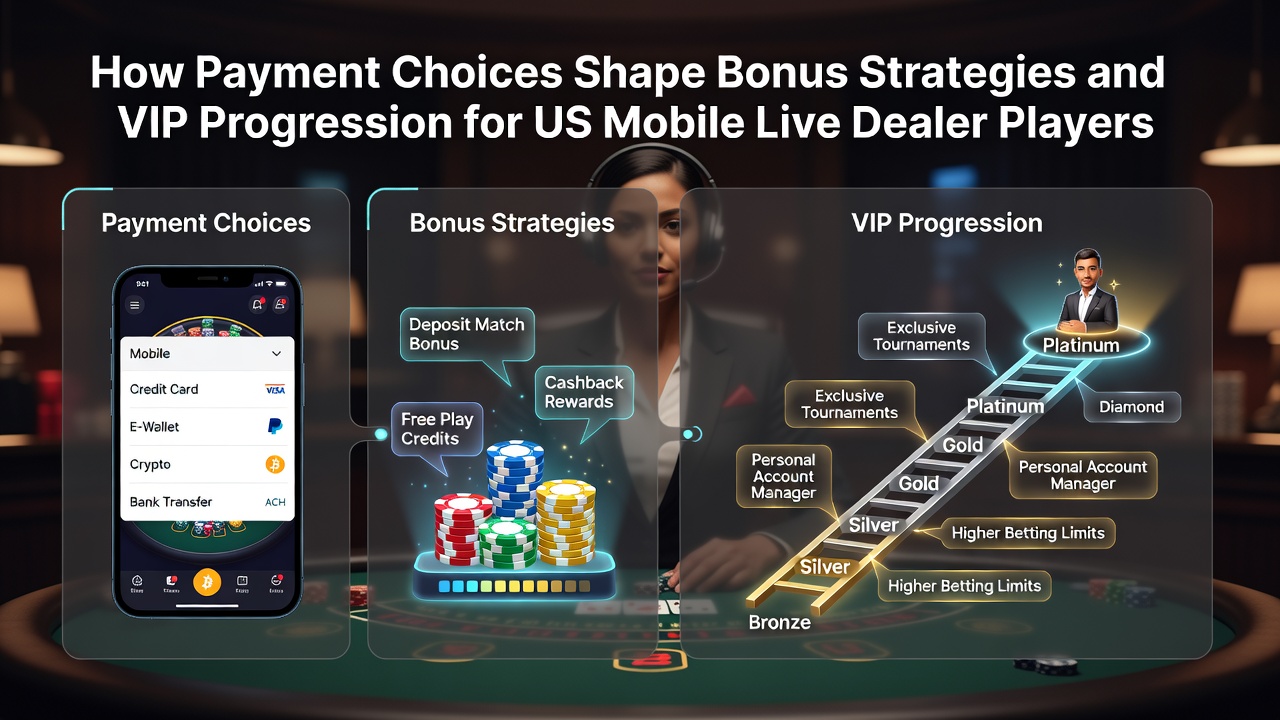
VIP benefits such as personalized cashback rates, faster withdrawal approvals, and dedicated account managers become accessible once cumulative activity thresholds are met, yet those thresholds can shift based on how consistently a player uses the same payment channel. Data shows that repeated use of a single verified method often accelerates approval for higher tiers because it simplifies compliance checks and reduces fraud flags. In contrast, frequent switching between methods may extend the review period and delay access to exclusive live dealer tournaments that award additional tier points.
Regulatory Context and State Variations
State gaming boards enforce rules that indirectly shape how payment choices interact with bonuses and VIP systems, with Michigan and West Virginia maintaining stricter guidelines on bonus advertising than Nevada or New Jersey. According to analyses from the National Council on Problem Gambling, these differences lead operators to offer method-specific promotions that comply with local advertising standards while still attracting mobile users to live dealer tables. Players who track regulatory updates find that changes in July 2026 prompted several apps to revise their VIP point formulas to exclude certain high-risk payment types from bonus wagering contributions, which in turn redirected player traffic toward approved e-wallet and bank transfer options.
What's significant is that these adjustments create regional differences in strategy, where users in one state may favor cryptocurrency for its speed and bonus compatibility while those in another state rely on traditional banking routes that align with local verification standards. Industry organizations such as the European Gaming and Betting Association have published comparative studies showing similar patterns in other regulated markets, though US implementations remain tied to individual state licensing agreements.
Practical Patterns Among Mobile Live Dealer Users
Players who coordinate payment timing with promotional calendars often maximize both bonus value and VIP movement, since many platforms release deposit-match offers tied to specific live dealer events on weekends or during major sporting overlaps. There's this case where experts found that users who deposited via instant methods on Thursday evenings positioned themselves for weekend reload bonuses that counted toward monthly tier requirements, effectively shortening the path to silver or gold status. Transaction data indicates that average deposit sizes increase when payment methods offer built-in rewards or cashback outside the casino ecosystem, which operators then capture through targeted live dealer incentives.
Those who've studied user behavior note that mobile interfaces now display payment-specific bonus banners directly on the deposit screen, guiding choices without requiring players to navigate separate terms pages. This integration reduces friction and increases the likelihood that users select the method that aligns with both their immediate bonus goals and longer-term VIP trajectory.
Conclusion
Payment method selection functions as a core variable in how US mobile live dealer participants engage with bonus structures and advance through VIP programs, with operators continuously refining eligibility rules to match processing realities and regulatory expectations across states. As transaction technologies evolve and state frameworks stabilize, the relationship between funding choices, promotional access, and loyalty progression continues to define strategic play patterns in this segment of the market.